Typology
Buddhist temple
A wat is a Buddhist monastery: a place of worship, a residence for monks and, for a long time, the school and centre of neighbourhood or village life. Its enclosure usually includes the ordination hall (ubosot), marked out by sacred boundary stones (sema), the prayer hall (wihan), chedi or prang enshrining relics, and the monks’ quarters (kuti). Royal wat, founded or restored by kings, stand out for their rank and decoration.
Bangkok
Buddhism, religions and spiritualities
Buddhist temple
Bangkok (Bangkok Yai)
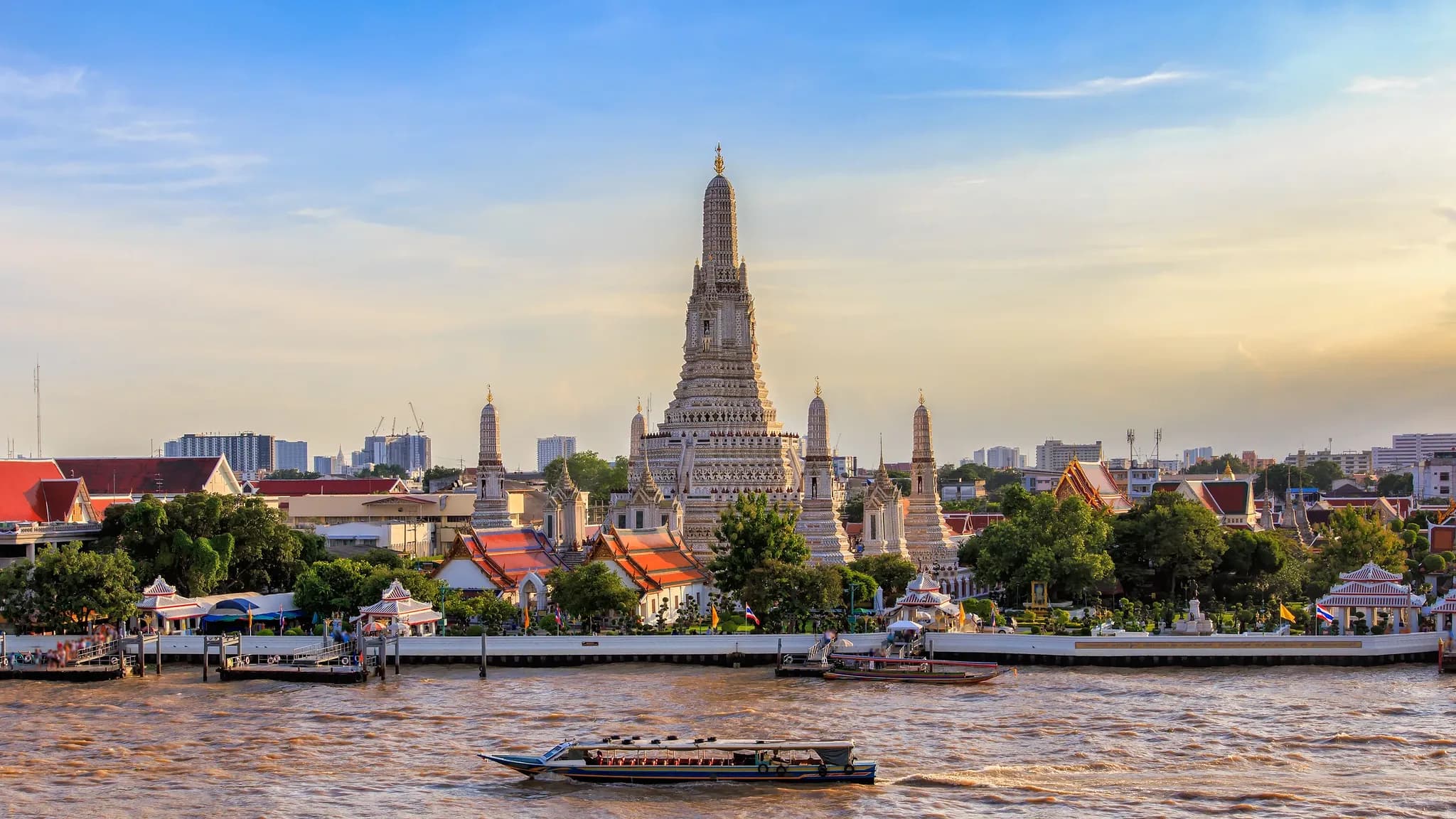
Wat Arun
From Taksin’s palace to the great building campaigns of the Chakri kings, Wat Arun bears witness to the ties between kingship, architecture and the history of Bangkok.
Buddhism, religions and spiritualities
Buddhist temple
Bangkok (Phra Nakhon)
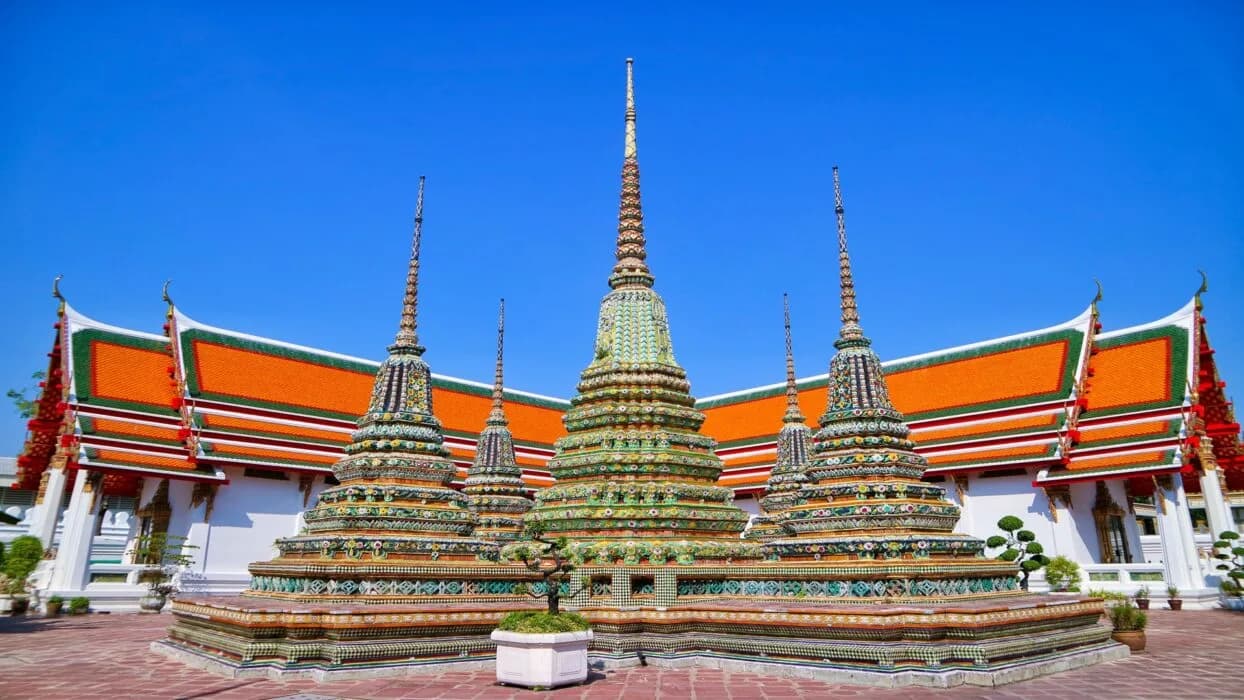
Wat Pho
Founded in the Ayutthaya period and later refounded by the first kings of the Chakri dynasty, the royal monastery of Wat Pho brings together worship, dynastic memory and the transmission of knowledge, from inscriptions on stone to traditional massage.
Buddhism, religions and spiritualities
Buddhist temple
Bangkok (Pom Prap Sattru Phai)
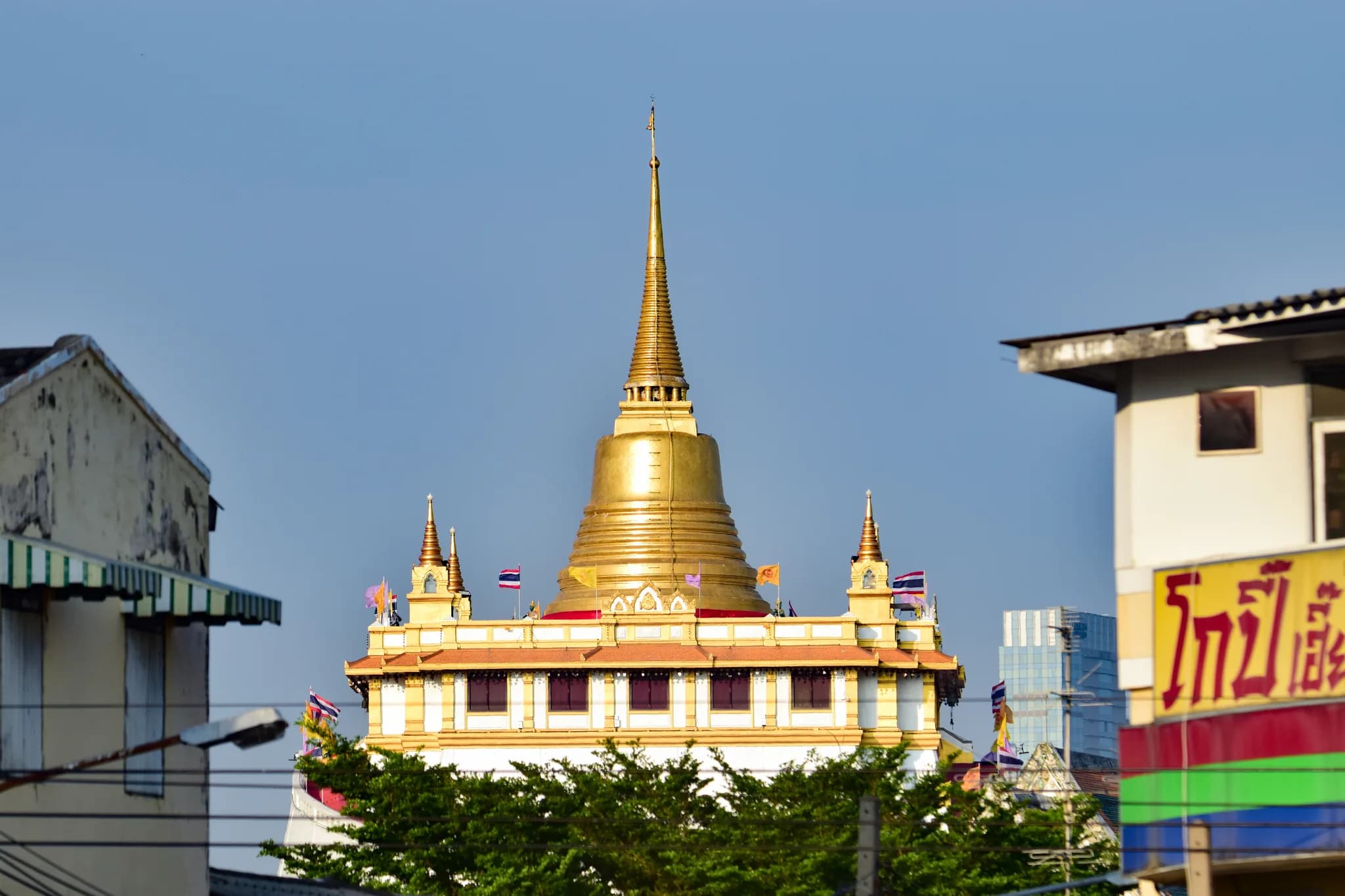
Wat Saket (Golden Mount Temple)
From monastery of epidemics to hill of relics, Wat Saket (Golden Mount Temple) tells how a failed building project became one of the symbols of Bangkok.
Buddhism, religions and spiritualities
Buddhist temple
Bangkok (Phra Nakhon)
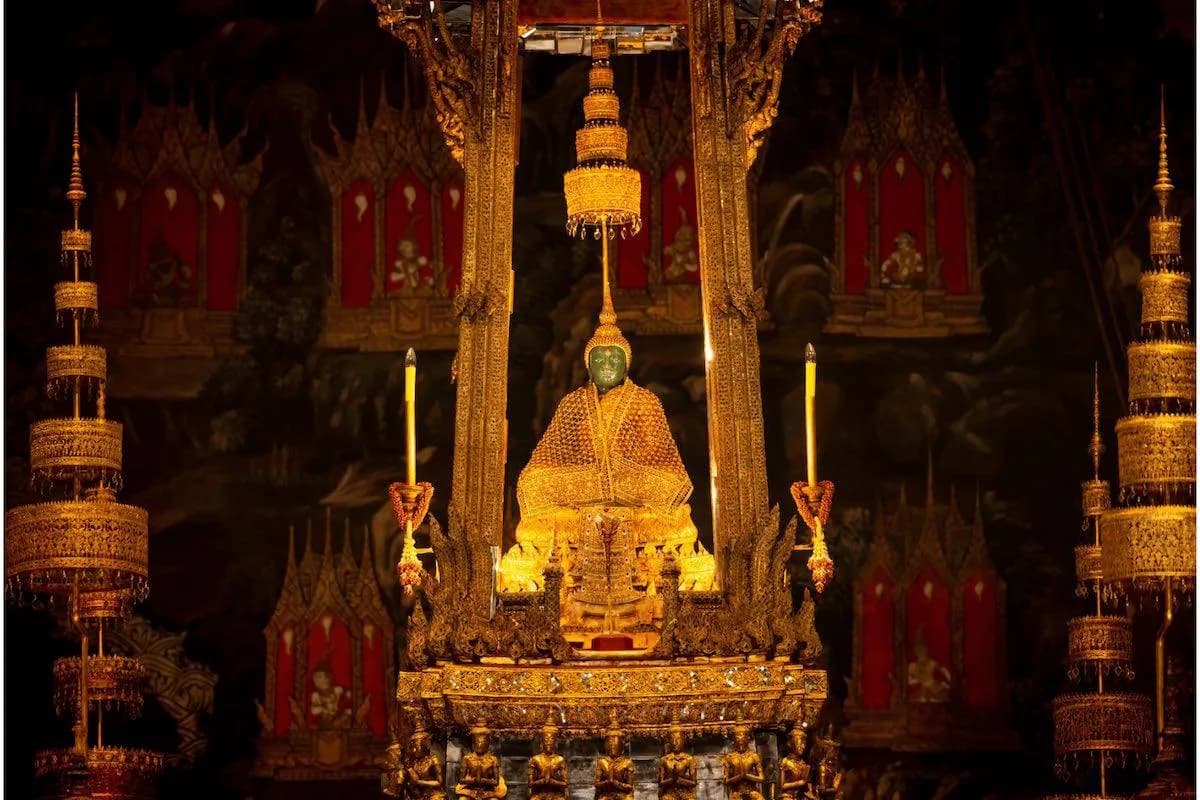
Wat Phra Kaew
A royal chapel raised between 1782 and 1785 within the precincts of the Grand Palace, Wat Phra Kaew houses the Emerald Buddha, an image that came from the north, whose possession accompanied the founding of Bangkok and which the king still dresses with his own hands as the seasons turn.