
Territories › Central › Bangkok › Samphanthawong
Province
Bangkok (Samphanthawong district)
Samphanthawong lies on the east bank of the Chao Phraya, bordered by Pom Prap Sattru Phai to the north and the Phadung Krung Kasem canal to the east. Its story begins in 1782, when King Rama I founded Bangkok and moved the Chinese community from the site chosen for the Grand Palace to the area around Sampheng Lane. Trade flourished, and during the reign of Rama V the construction of Yaowarat Road gave shape to what became Bangkok’s Chinatown. Today the district retains its shophouses, temples such as Wat Mangkon Kamalawat and Wat Traimit, home to a golden Buddha image, and the old riverside neighbourhood of Talat Noi, where River City Bangkok stands; in the evenings, Yaowarat hosts a night market.
Entries in Samphanthawong (6)
Arts, aesthetics and creation
Public art & street art
Bangkok (Samphanthawong)
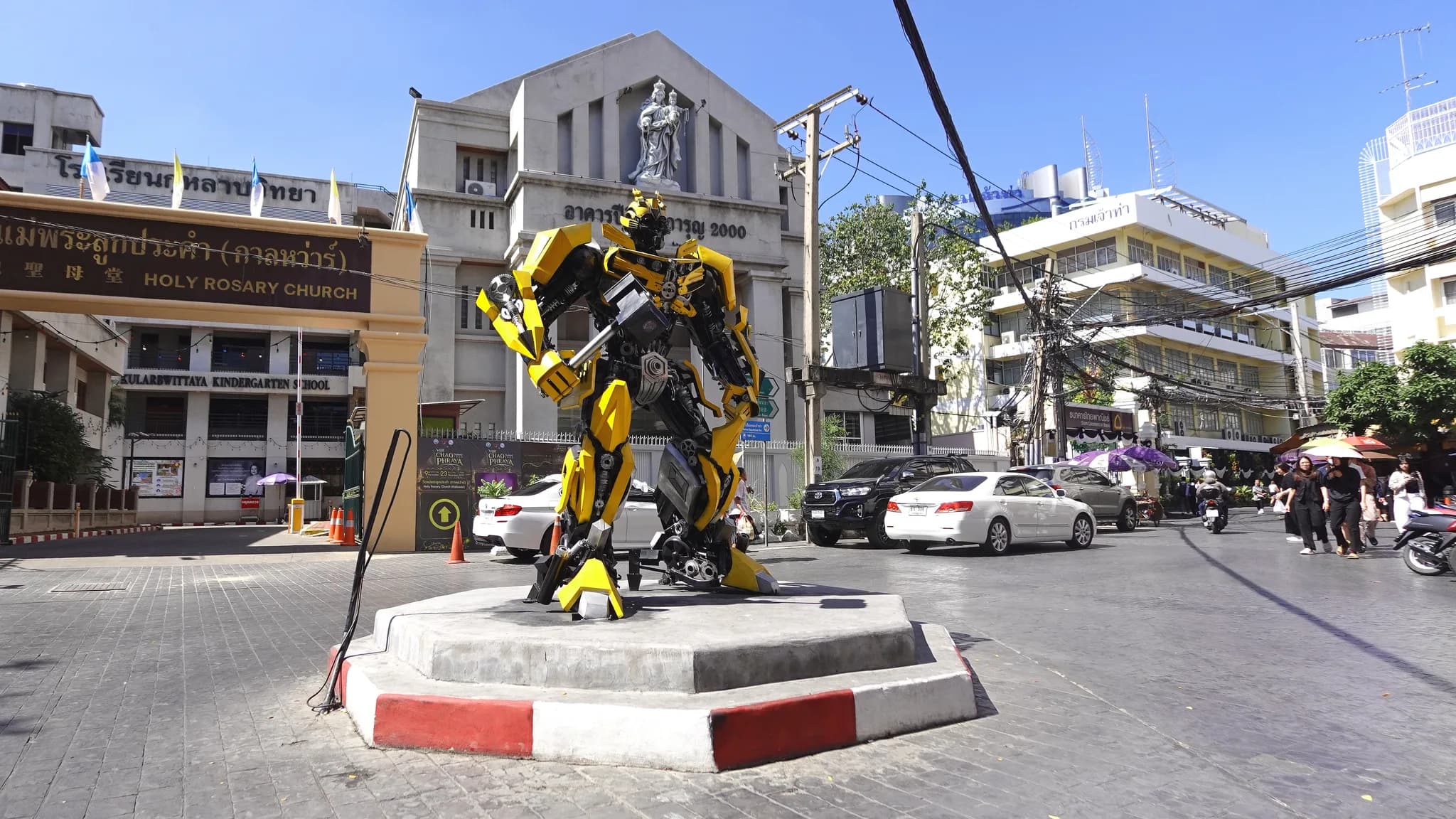
Bumblebee
In the lanes of Talat Noi, in Bangkok, a statue of a film robot tells the story of a district of mechanics’ workshops that has become a centre of street art.
Gastronomy and food cultures
Dining & street food
Bangkok (Samphanthawong)
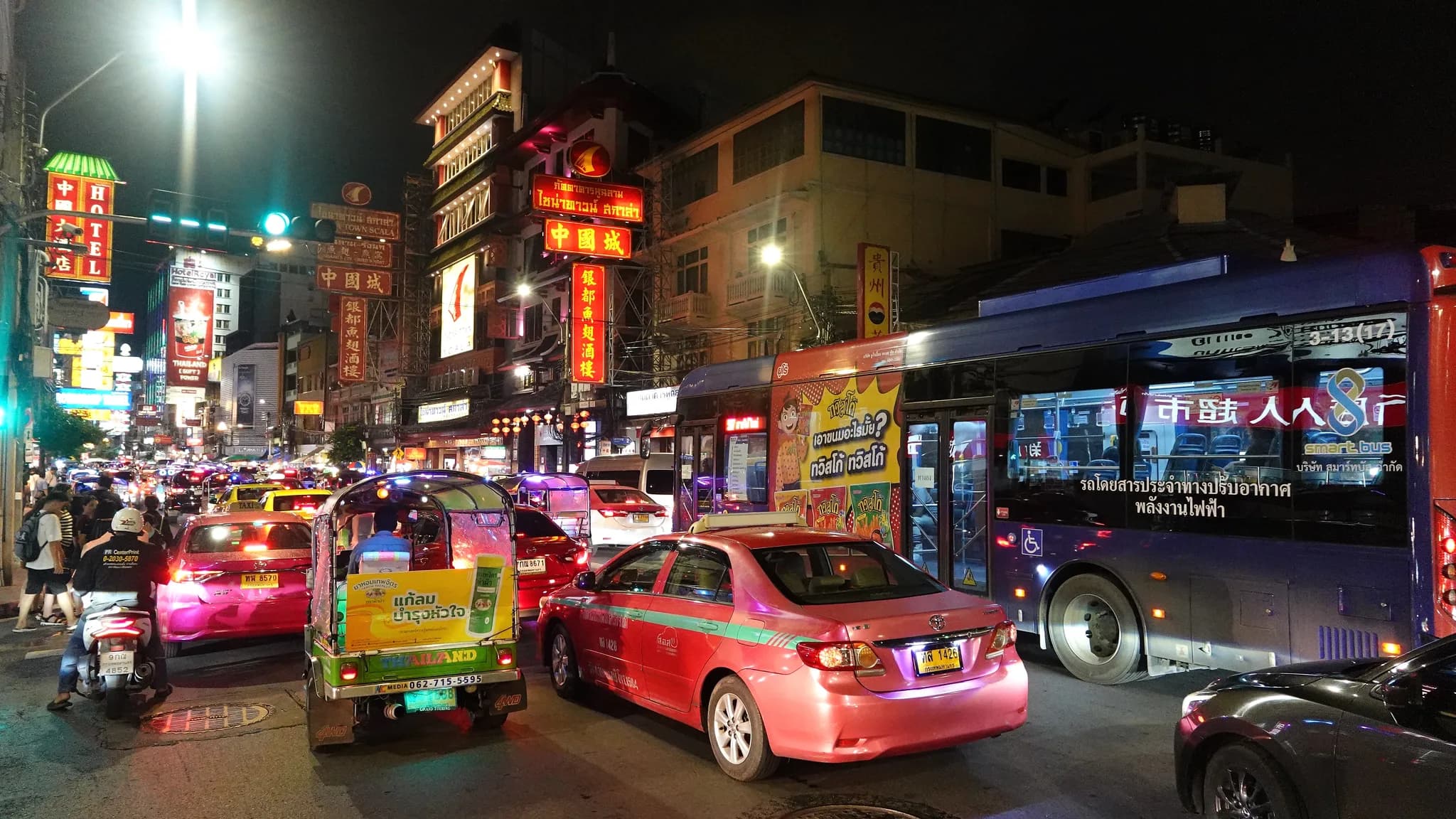
Chinatown Night Market
On Yaowarat Road, the main artery of Bangkok’s Chinese quarter, evening street food carries forward the history of a merchant district and endures only under the city’s supervision.
Arts, aesthetics and creation
Cultural & creative centre
Bangkok (Samphanthawong)
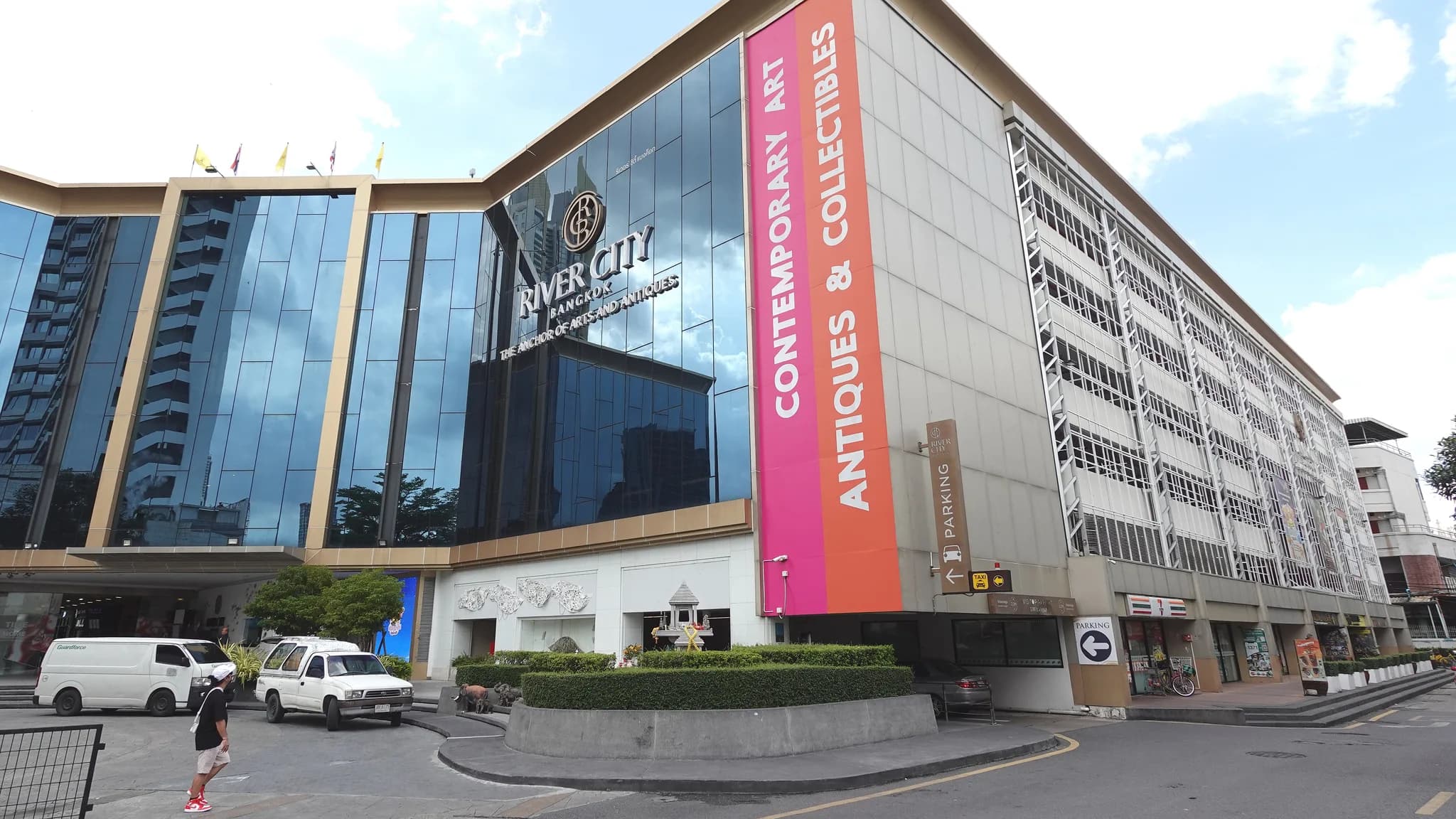
River City Bangkok
Opened in 1984 on the banks of the Chao Phraya by Adisorn Charanachitta, the Talat Noi antiques centre has gradually turned towards galleries, auctions and contemporary art.
Cities, territories and cultural landscapes
Neighbourhood & district
Bangkok (Samphanthawong)
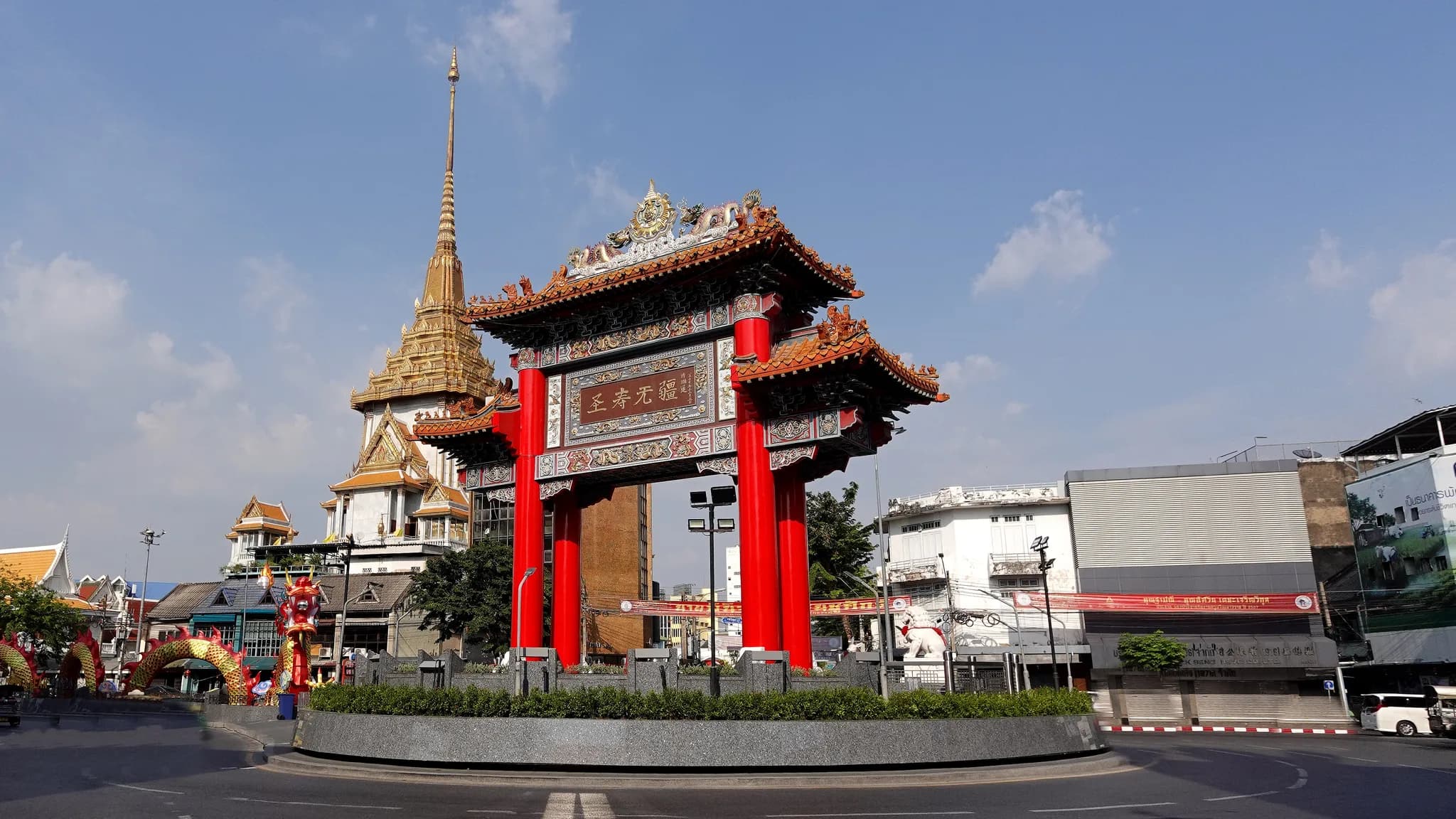
Samphanthawong District
From the relocation of the Teochew merchants in 1782 to the gold shops of Yaowarat Road, Bangkok’s Chinatown follows the history of the capital step by step.
Cities, territories and cultural landscapes
Market & urban centre
Bangkok (Samphanthawong)
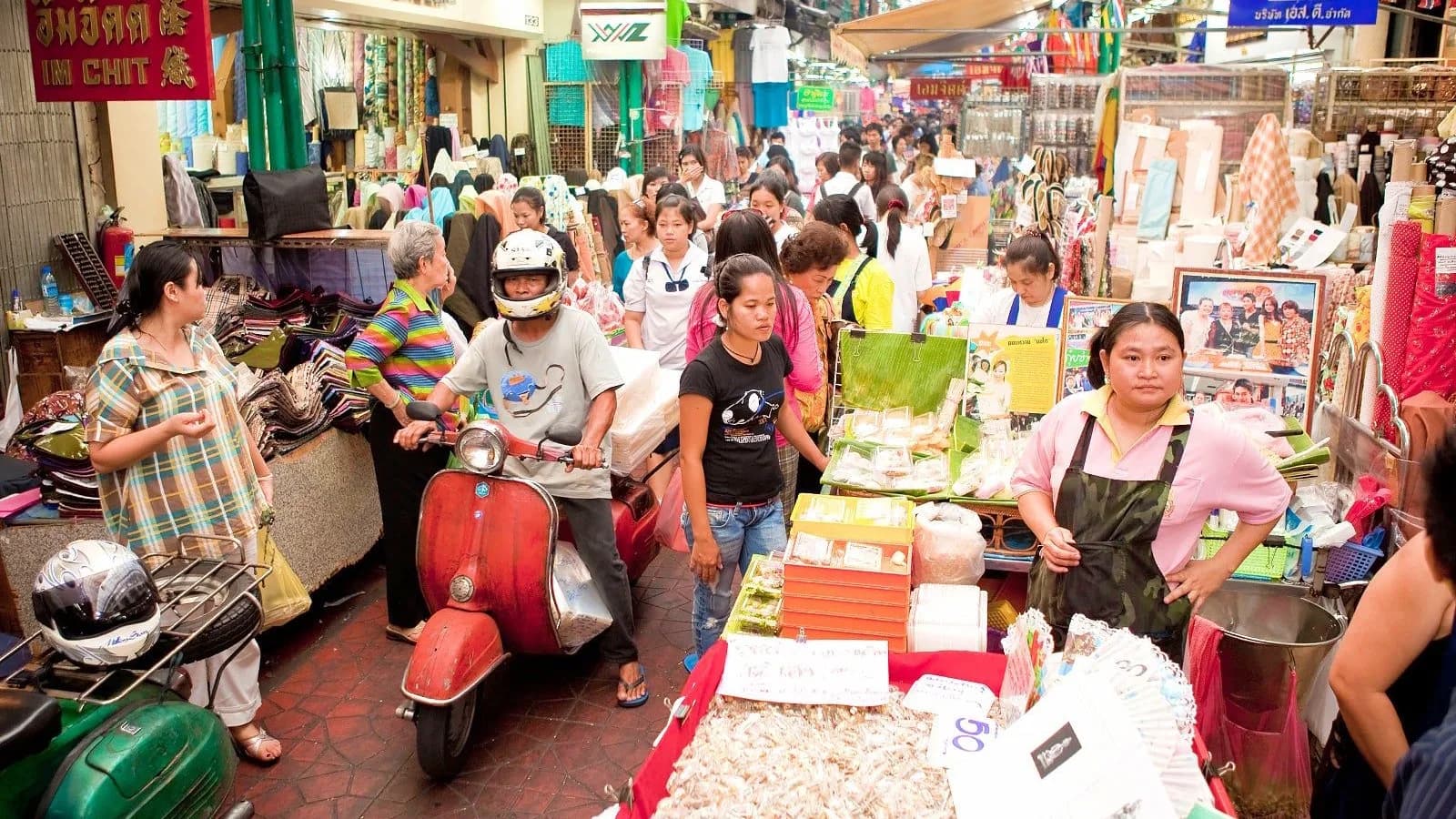
Sampheng Market (Chinatown)
Born of the relocation in 1782 of the Chinese settled on the site of the Grand Palace, a market lane that became the first nucleus of the Chinese quarter, still active as a wholesale market.
Heritage in transition
Rehabilitation & adaptive reuse
Bangkok (Samphanthawong)
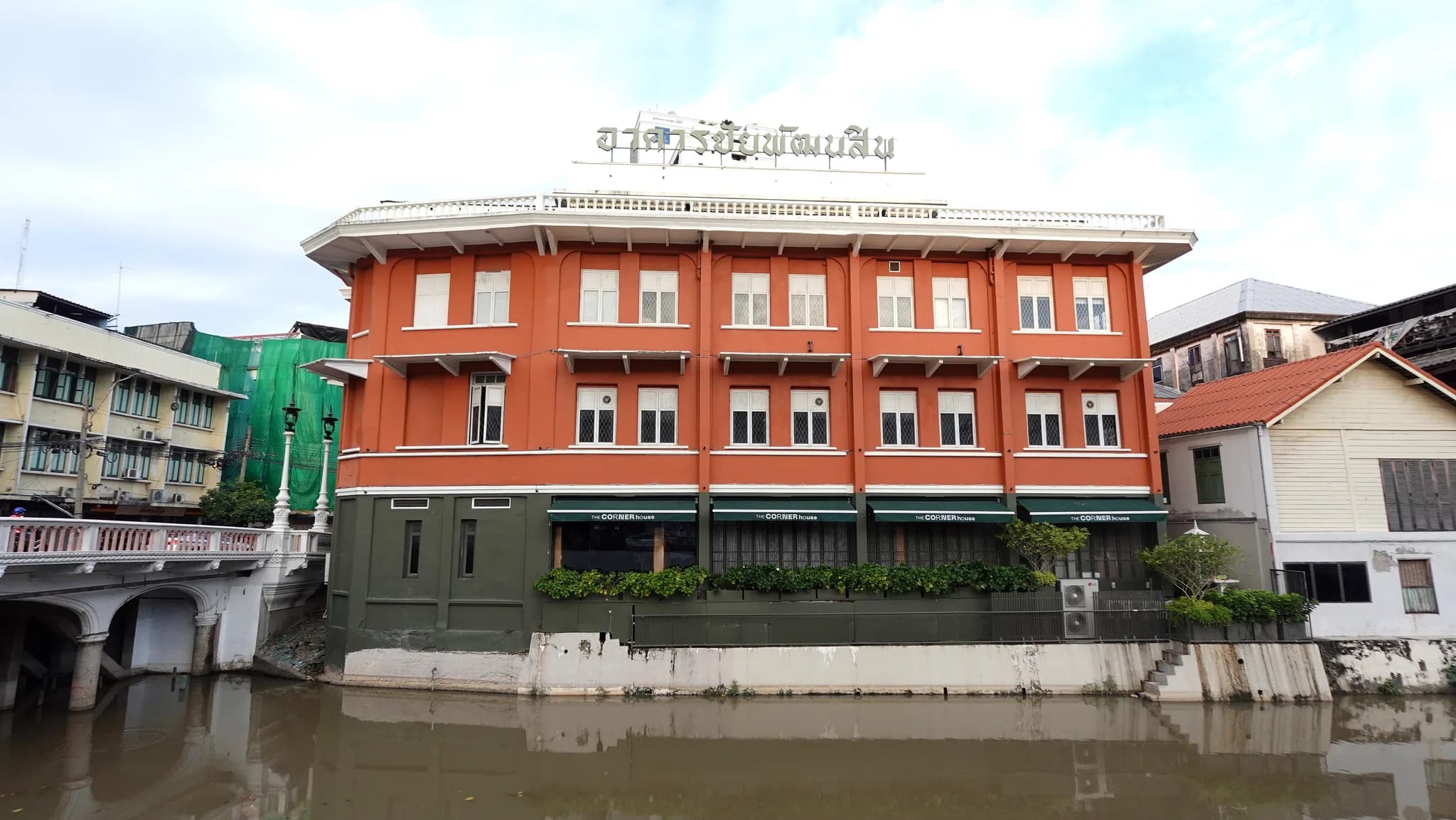
The Corner House Bangkok
At the corner of Charoen Krung Road and the Phadung Krung Kasem Canal, a century-old merchant building has passed from trade to industry, then to shoes and to creative work.