
Territories › Central › Bangkok › Phra Nakhon
Province
Bangkok (Phra Nakhon district)
Phra Nakhon lies on the east bank of the Chao Phraya, opposite Thonburi, and takes in Rattanakosin Island, bounded by the river and by the canals dug around the old city. In 1782 King Rama I moved the capital here from Thonburi and began building the Grand Palace, while the new city was enclosed by walls punctuated with forts. Through the nineteenth century the district remained the seat of royal power, major monasteries and the kingdom’s administration. Today it retains the Grand Palace, Wat Pho, restored under Rama I, and the Phra Sumen and Mahakan forts, surviving parts of the city walls. Near Memorial Bridge, the Pak Khlong Talat flower market continues a long tradition of riverside trade.
Entries in Phra Nakhon (10)
Architecture and built heritage
Palace & royal residence
Bangkok (Phra Nakhon)
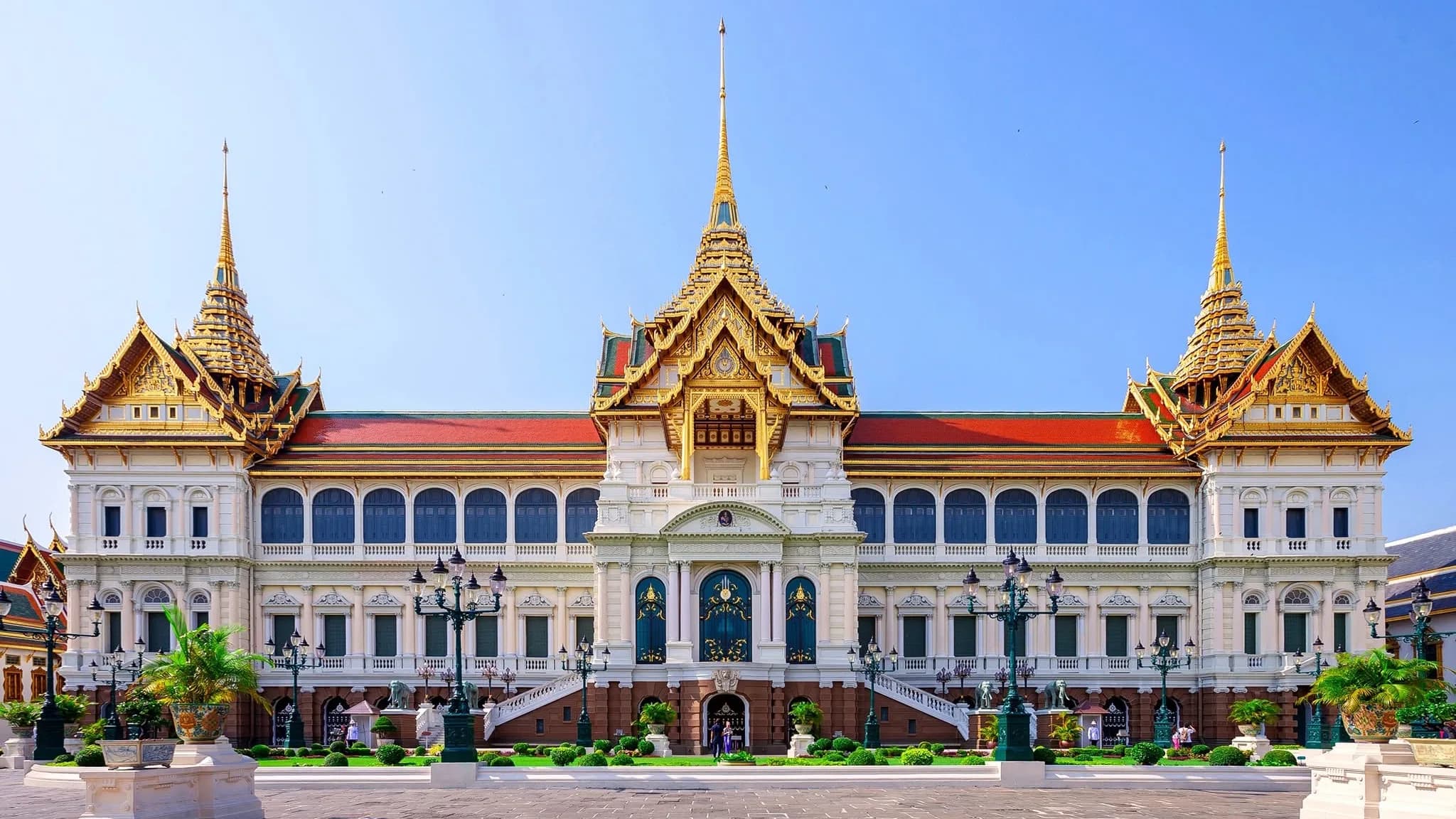
Chakri Maha Prasat Throne Hall
Commissioned by King Chulalongkorn for the centenary of Bangkok, the throne hall that pairs a European façade with three Siamese spires remains, at the heart of the Grand Palace, a place of royal relics and state receptions.
Architecture and built heritage
Palace & royal residence
Bangkok (Phra Nakhon)
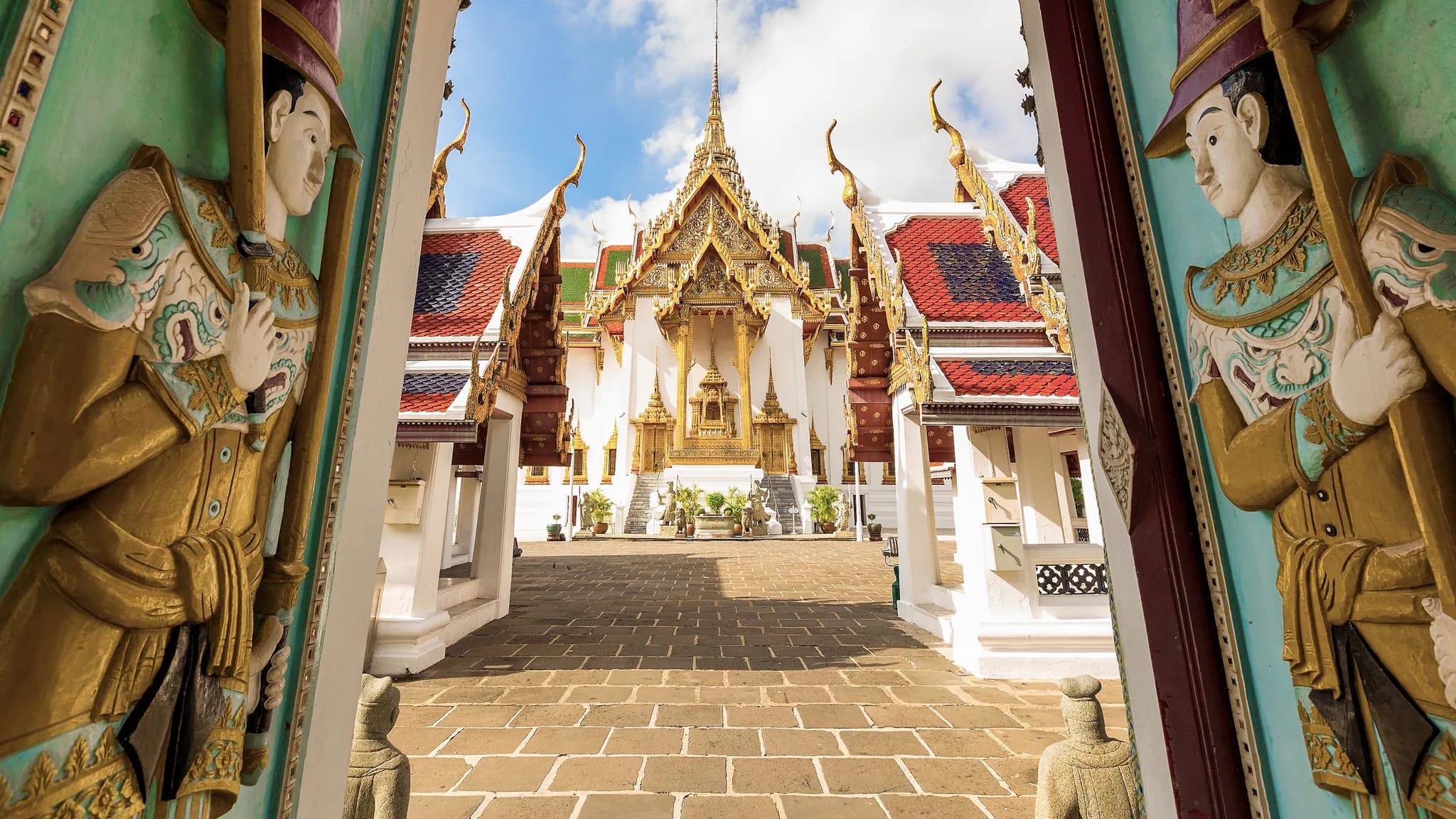
Dusit Maha Prasat Throne Hall
Built in the late eighteenth century on the site of Bangkok’s first throne hall, the Dusit Maha Prasat Throne Hall has passed from a place of audience to the place where the kings and queens of the Chakri dynasty lie before their cremation.
History, kingdoms and the making of Siam
Fortification & defensive work
Bangkok (Phra Nakhon)
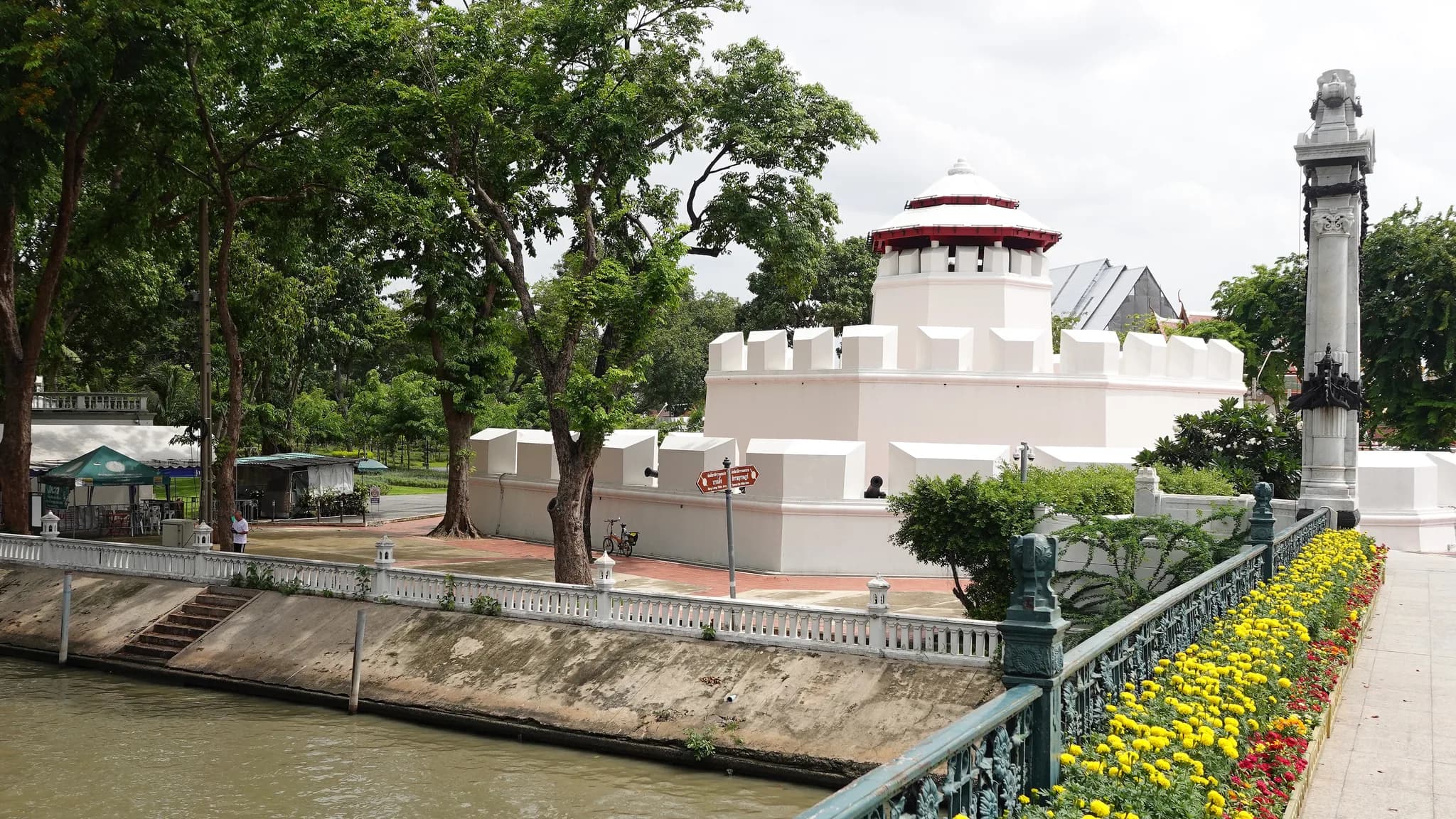
Mahakan Fort
Built in 1783 on the walls of the new capital, Mahakan Fort is one of the last two survivors of Bangkok’s city rampart, and the scene of a long conflict over the community that lived at its foot.
Cities, territories and cultural landscapes
Market & urban centre
Bangkok (Phra Nakhon)
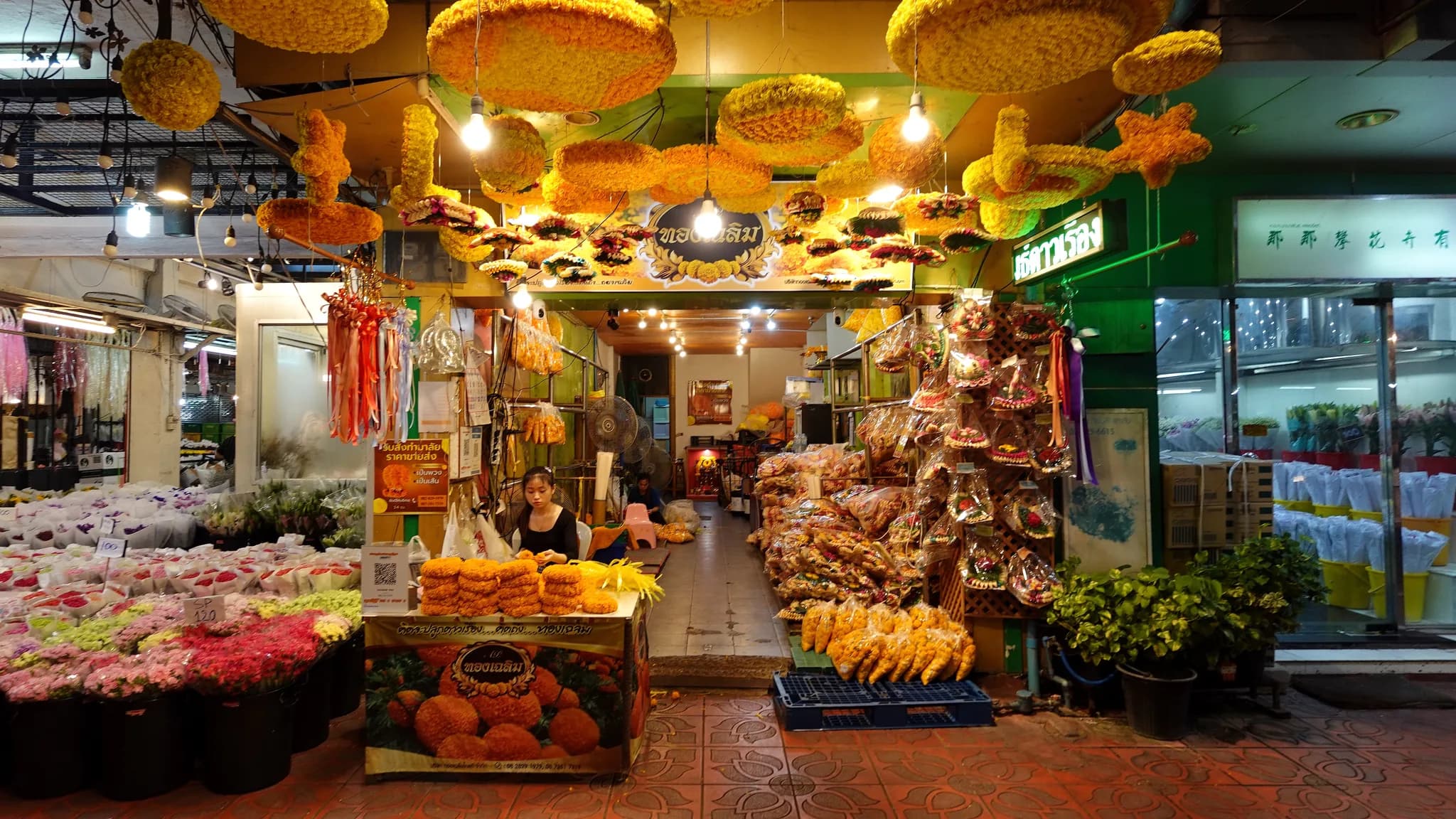
Pak Khlong Talat Flower Market
At the mouth of an old Bangkok moat, a fish market that, through successive royal, political and commercial decisions, became the place where the city finds the flowers for its rites.
Cities, territories and cultural landscapes
Neighbourhood & district
Bangkok (Phra Nakhon)
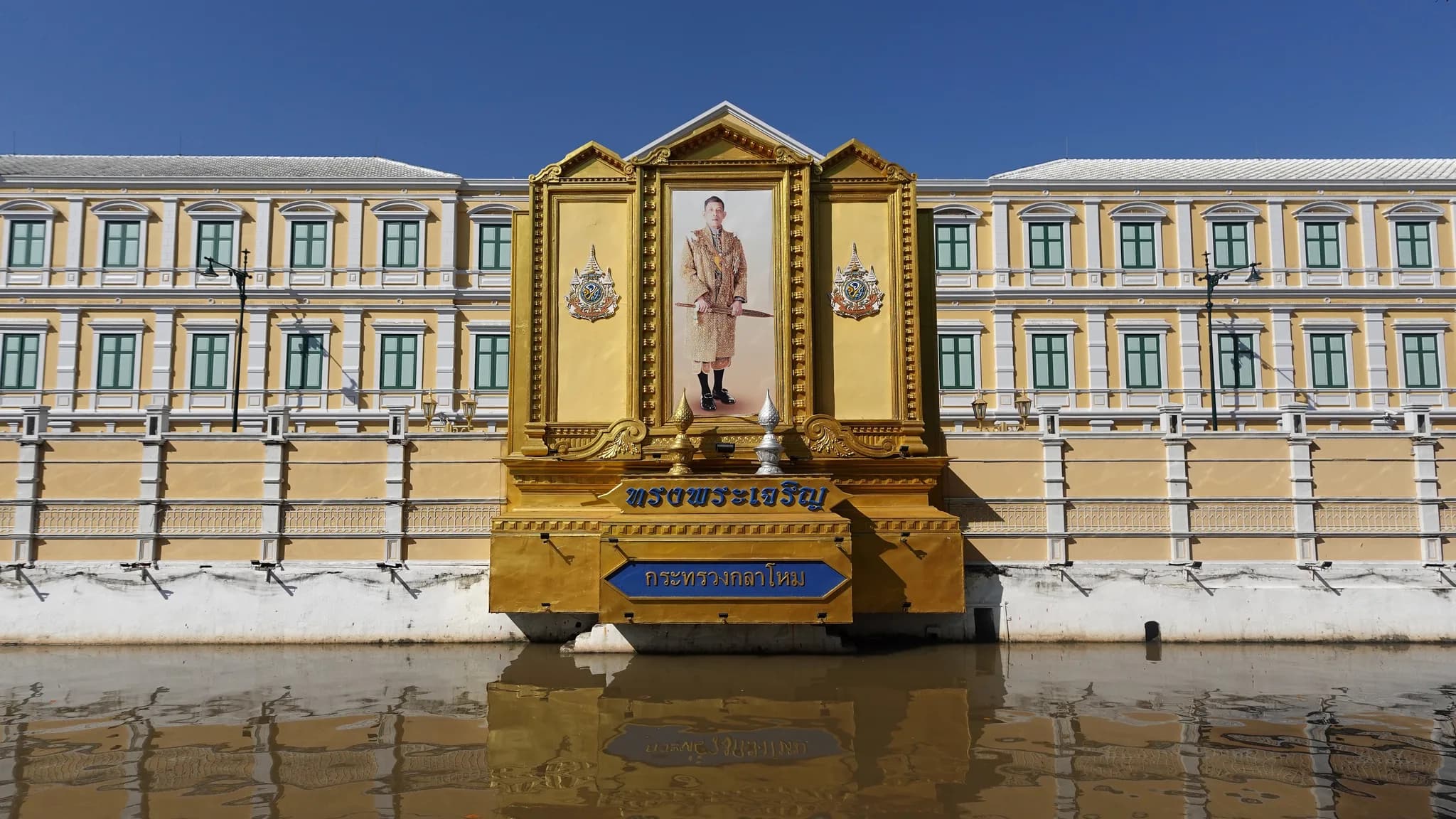
Phra Nakhon District
Bangkok’s central district preserves the layout of the capital founded in 1782 – its palace, its canals and the remains of its ramparts – but also lived-in neighbourhoods whose place in conservation is a matter of debate.
Architecture and built heritage
Fortification & defensive work
Bangkok (Phra Nakhon)
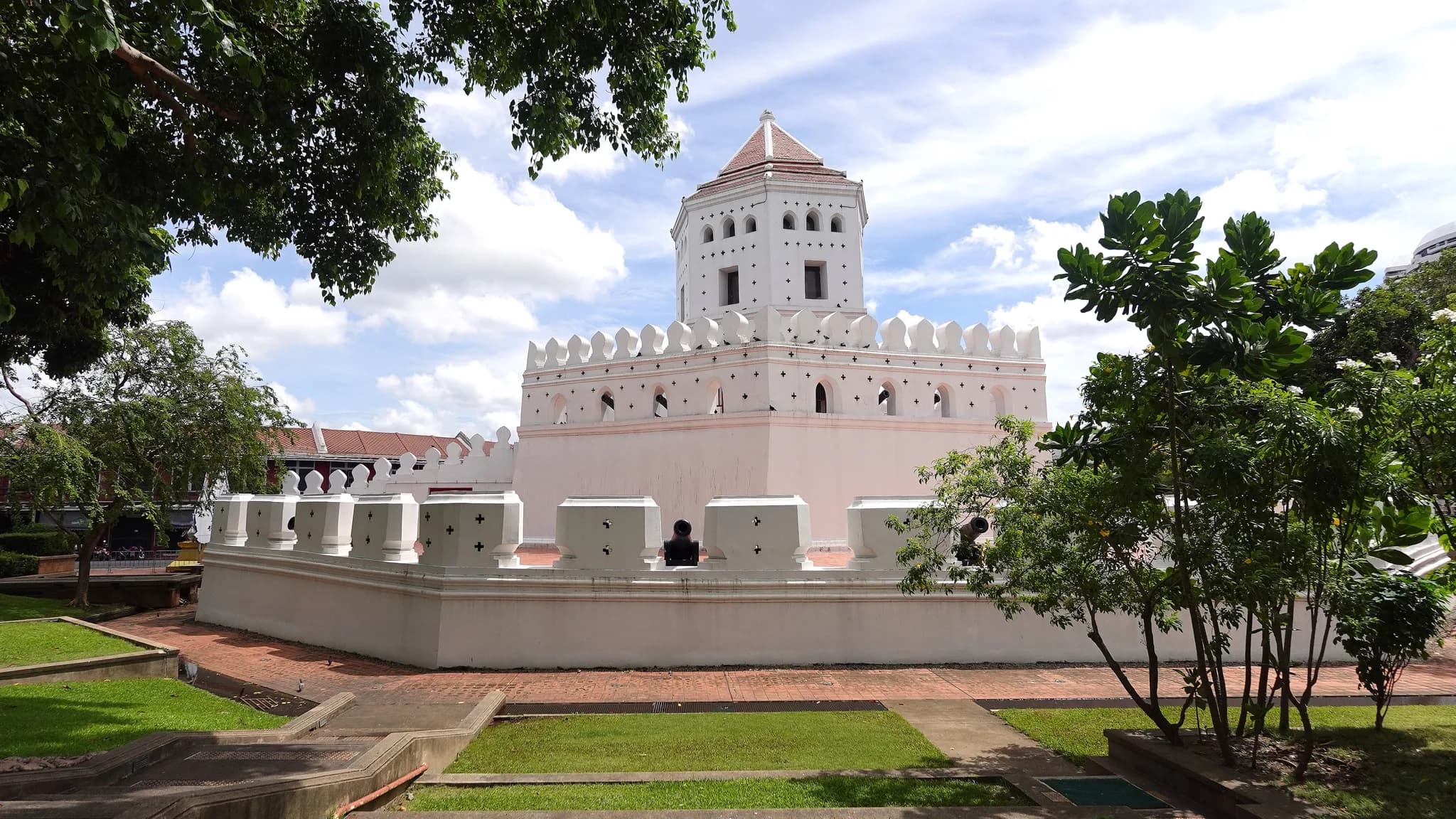
Phra Sumen Fort
Built in 1783 in the north of Rama I’s capital, dismantled and later raised again on its original foundations, Phra Sumen Fort is one of only two surviving witnesses to Bangkok’s fortified city wall.
Arts, aesthetics and creation
Museum
Bangkok (Phra Nakhon)
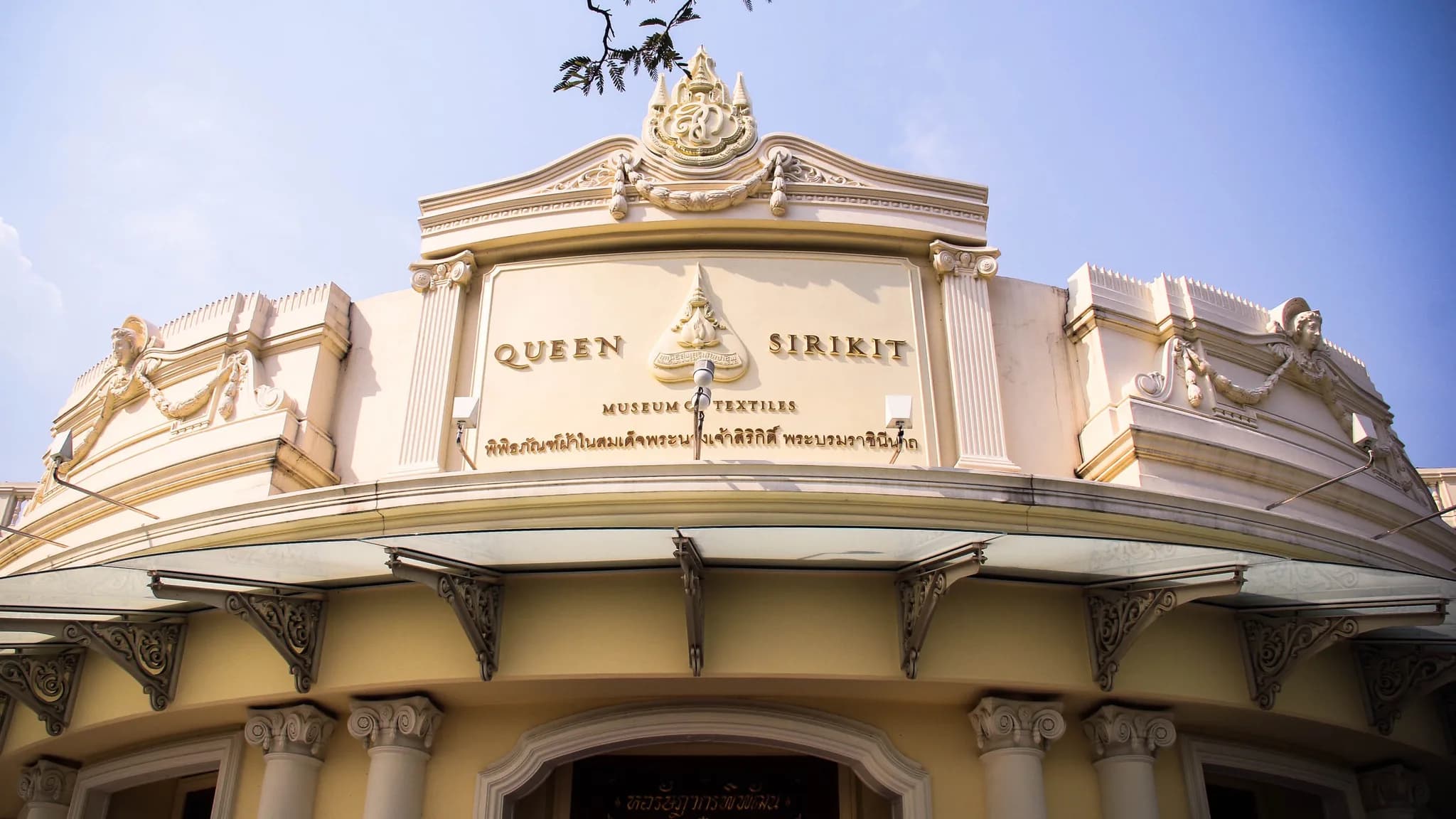
Queen Sirikit Museum of Textiles
Housed in a former Finance building within Bangkok’s Grand Palace, the Queen Sirikit Museum of Textiles carries forward the work of a queen who placed Thai weaving at the heart of court dress.
Architecture and built heritage
Palace & royal residence
Bangkok (Phra Nakhon)
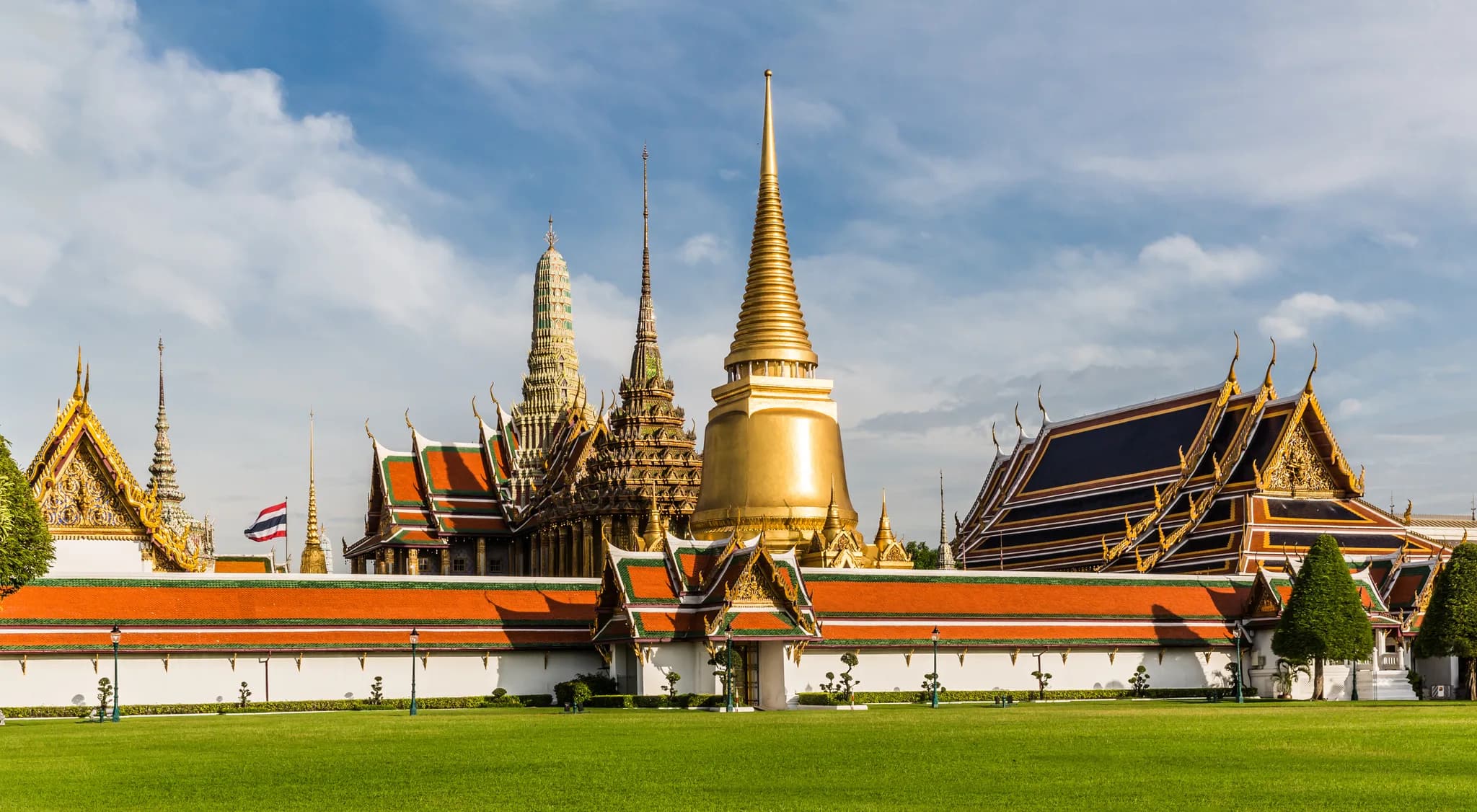
The Grand Palace of Bangkok
The Grand Palace of Bangkok, founded in 1782 on the banks of the Chao Phraya, was the seat of Siamese power for a century and a half; it remains the setting for the great rites of the monarchy.
Buddhism, religions and spiritualities
Buddhist temple
Bangkok (Phra Nakhon)
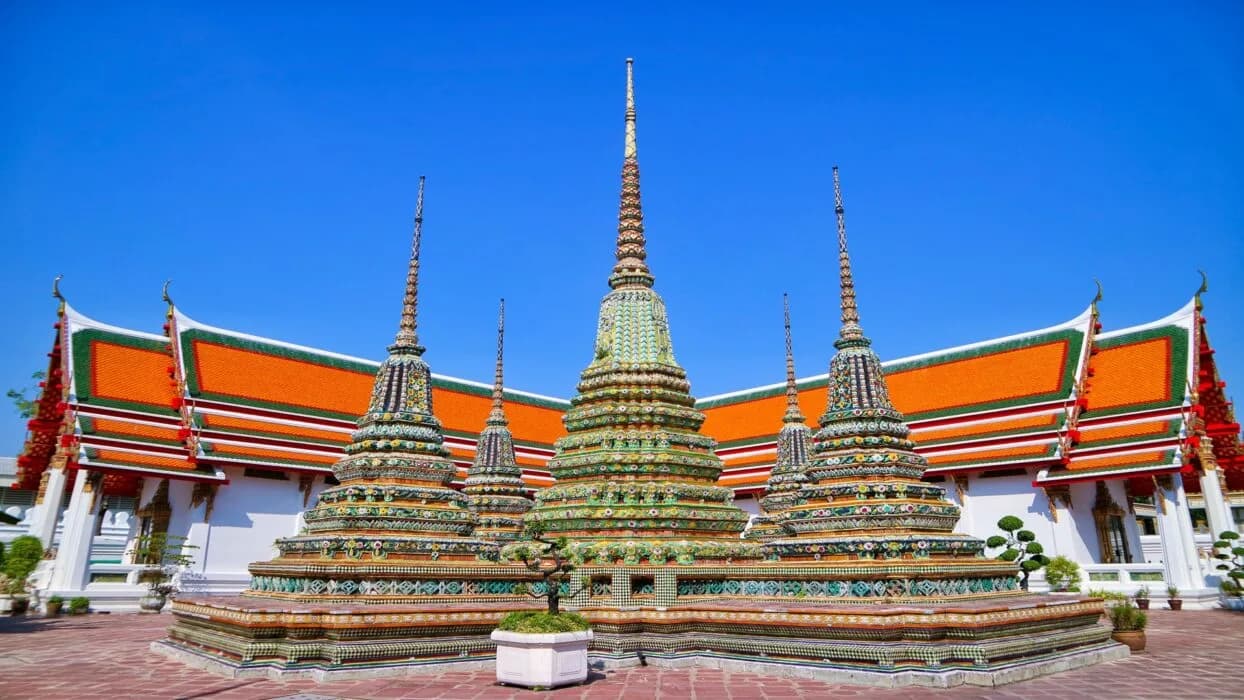
Wat Pho
Founded in the Ayutthaya period and later refounded by the first kings of the Chakri dynasty, the royal monastery of Wat Pho brings together worship, dynastic memory and the transmission of knowledge, from inscriptions on stone to traditional massage.
Buddhism, religions and spiritualities
Buddhist temple
Bangkok (Phra Nakhon)
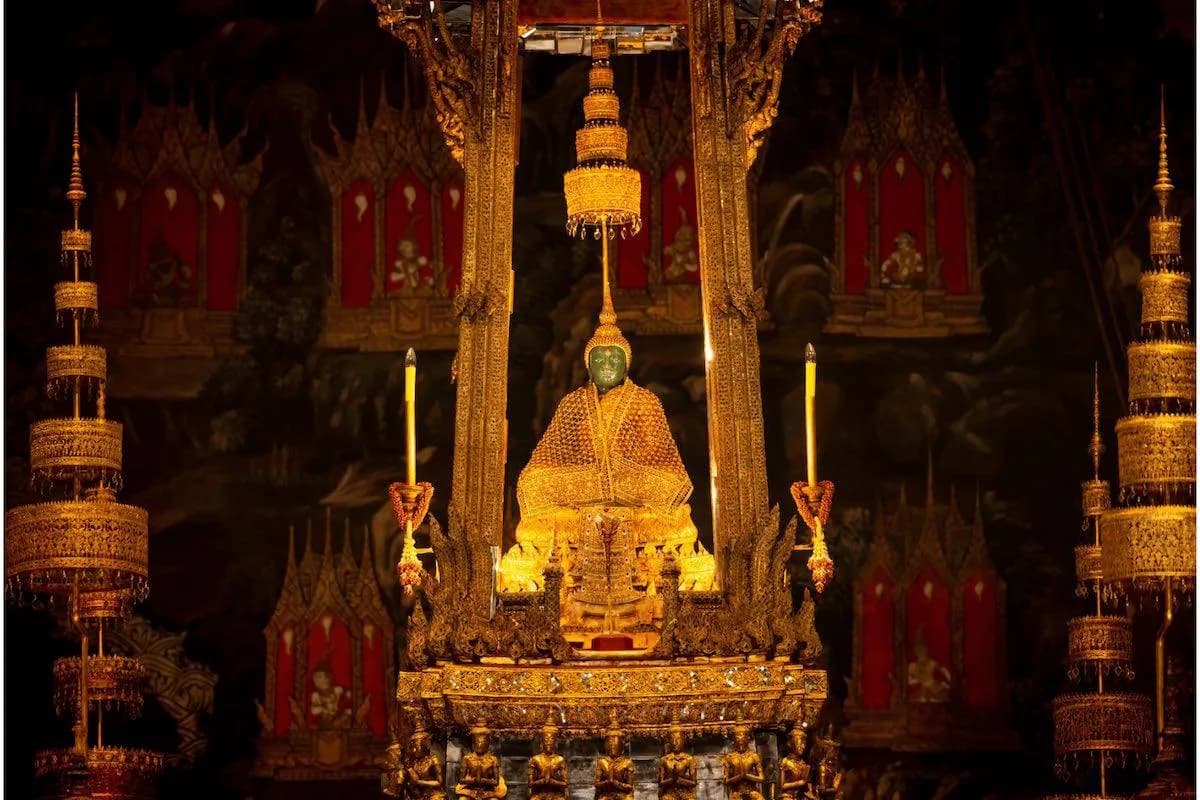
Wat Phra Kaew
A royal chapel raised between 1782 and 1785 within the precincts of the Grand Palace, Wat Phra Kaew houses the Emerald Buddha, an image that came from the north, whose possession accompanied the founding of Bangkok and which the king still dresses with his own hands as the seasons turn.