
Period
Rattanakosin period
1782 – present
Founding of Bangkok by Rama I in 1782; the Chakri dynasty reigns to this day.
- before the 6th centuryPrehistory and protohistory0 entries
- 6th–11th centuryDvaravati period0 entries
- 10th–13th centuryKhmer period (Lopburi)0 entries
- 1238 – 1438Sukhothai period0 entries
- 1292 – 1775Lanna period0 entries
- 1351 – 1767Ayutthaya period5 entries
- 1767 – 1782Thonburi period1 entry
- 1782 – presentRattanakosin period26 entries
Arts, aesthetics and creation
Museum
Bangkok (Phra Nakhon)
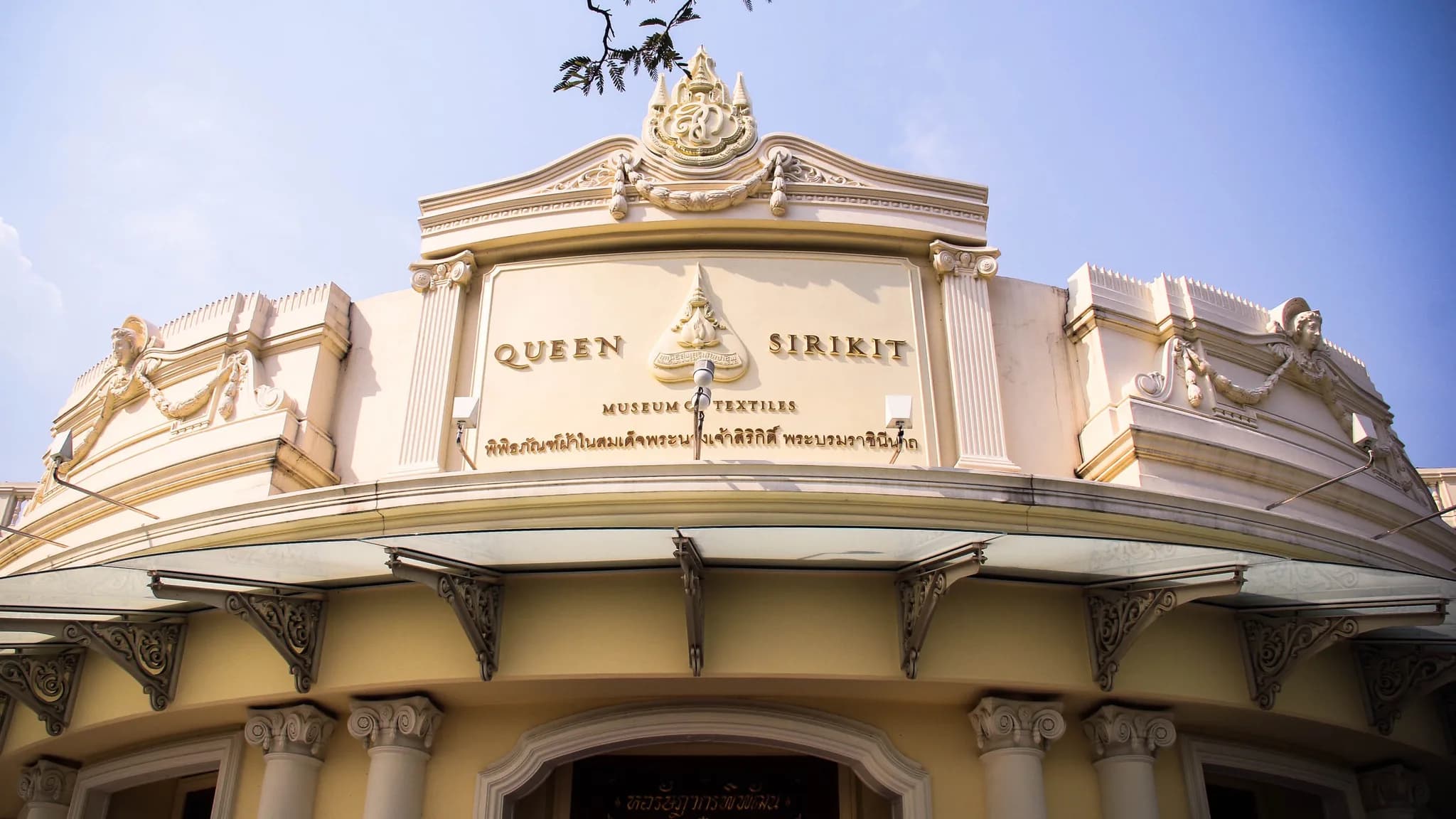
Queen Sirikit Museum of Textiles
Housed in a former Finance building within Bangkok’s Grand Palace, the Queen Sirikit Museum of Textiles carries forward the work of a queen who placed Thai weaving at the heart of court dress.
Buddhism, religions and spiritualities
Buddhist temple
Bangkok (Bangkok Yai)
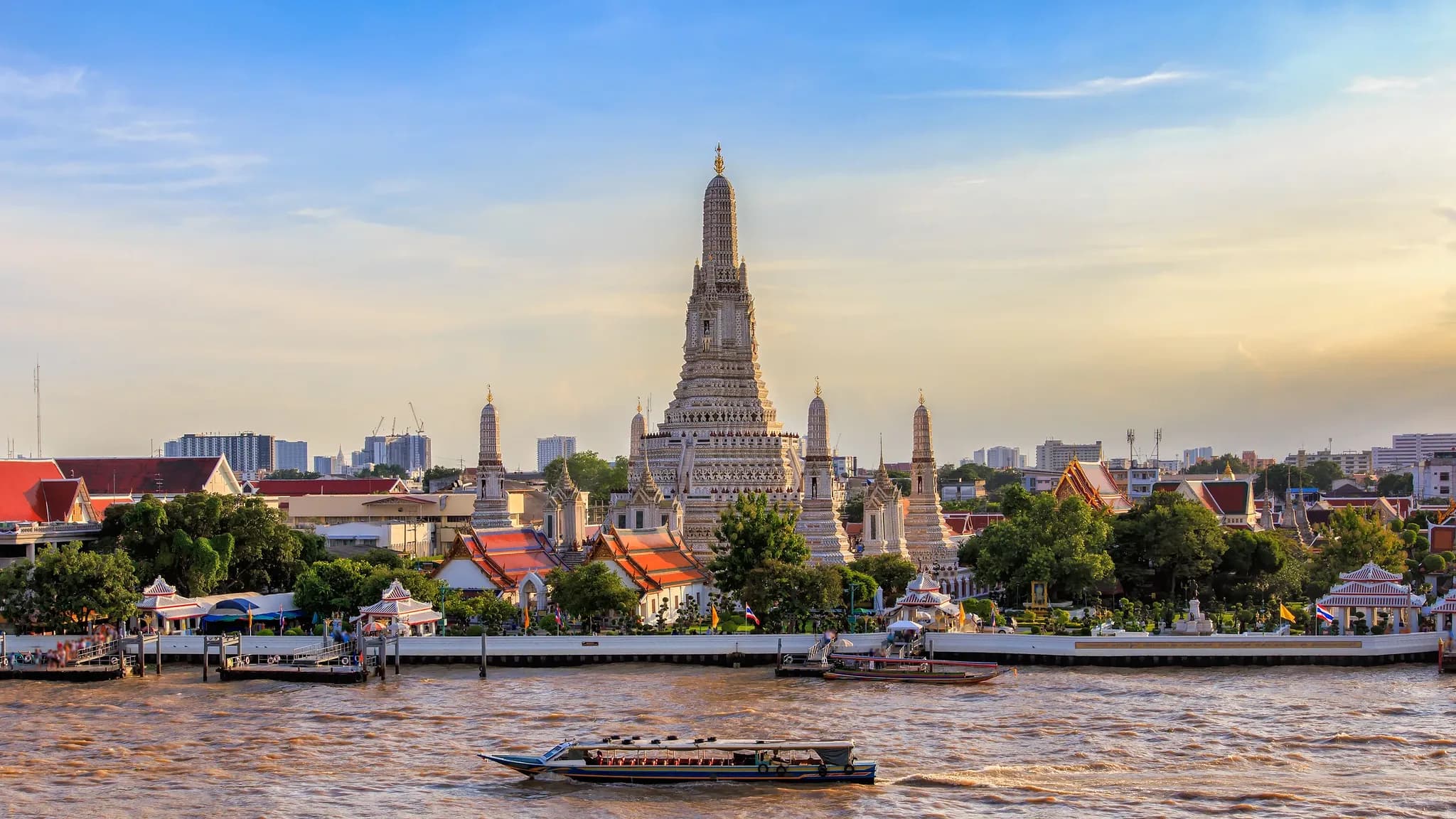
Wat Arun
From Taksin’s palace to the great building campaigns of the Chakri kings, Wat Arun bears witness to the ties between kingship, architecture and the history of Bangkok.
Buddhism, religions and spiritualities
Buddhist temple
Bangkok (Phra Nakhon)
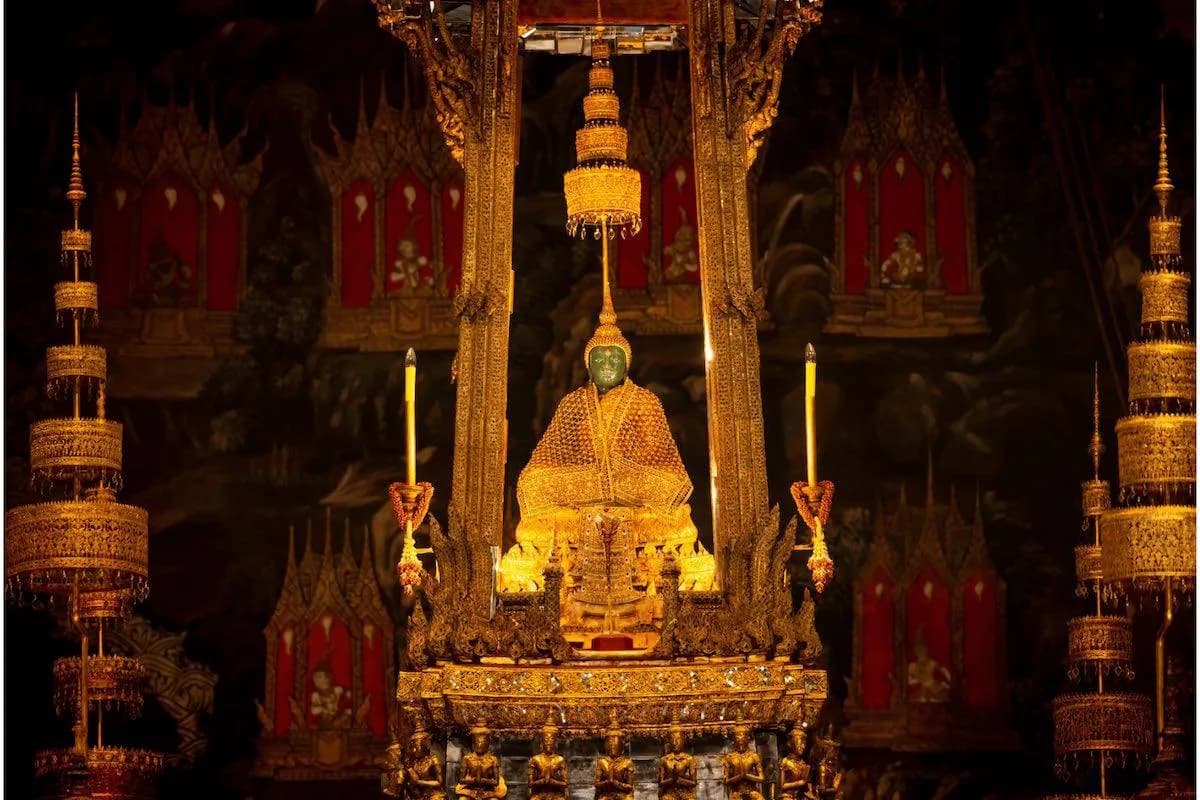
Wat Phra Kaew
A royal chapel raised between 1782 and 1785 within the precincts of the Grand Palace, Wat Phra Kaew houses the Emerald Buddha, an image that came from the north, whose possession accompanied the founding of Bangkok and which the king still dresses with his own hands as the seasons turn.
Buddhism, religions and spiritualities
Buddhist temple
Bangkok (Phra Nakhon)
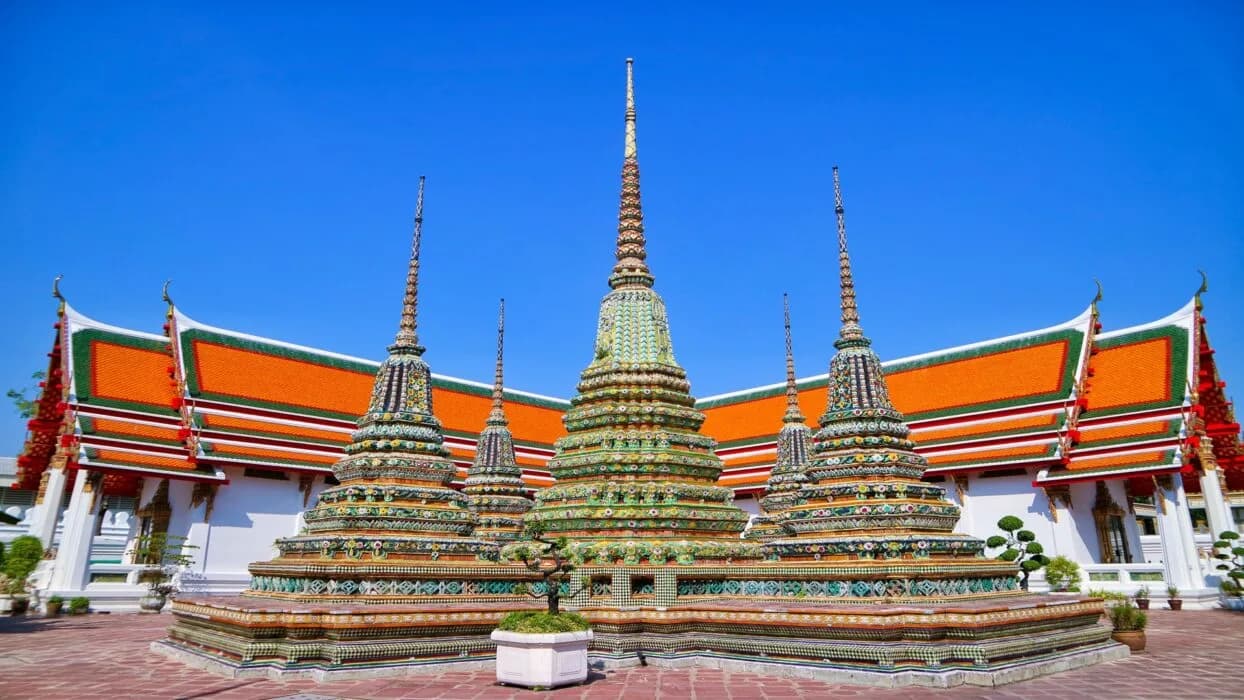
Wat Pho
Founded in the Ayutthaya period and later refounded by the first kings of the Chakri dynasty, the royal monastery of Wat Pho brings together worship, dynastic memory and the transmission of knowledge, from inscriptions on stone to traditional massage.
Cities, territories and cultural landscapes
Neighbourhood & district
Bangkok (Dusit)
Dusit District
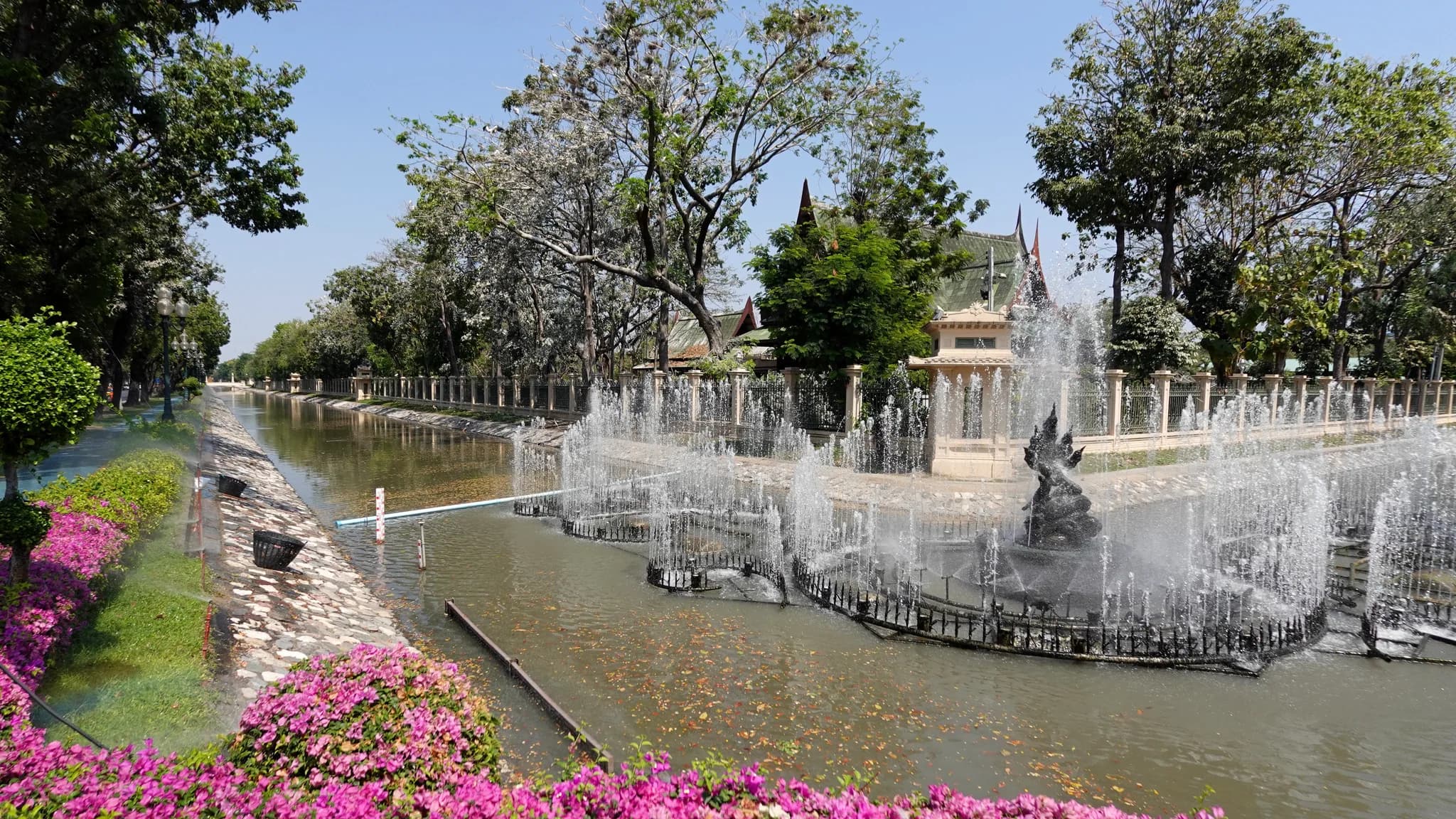
North of Rattanakosin Island, the royal domain conceived by Chulalongkorn carried Bangkok beyond its walls, and later witnessed the birth of the country’s constitutional life.
History, kingdoms and the making of Siam
Fortification & defensive work
Bangkok (Phra Nakhon)
Mahakan Fort
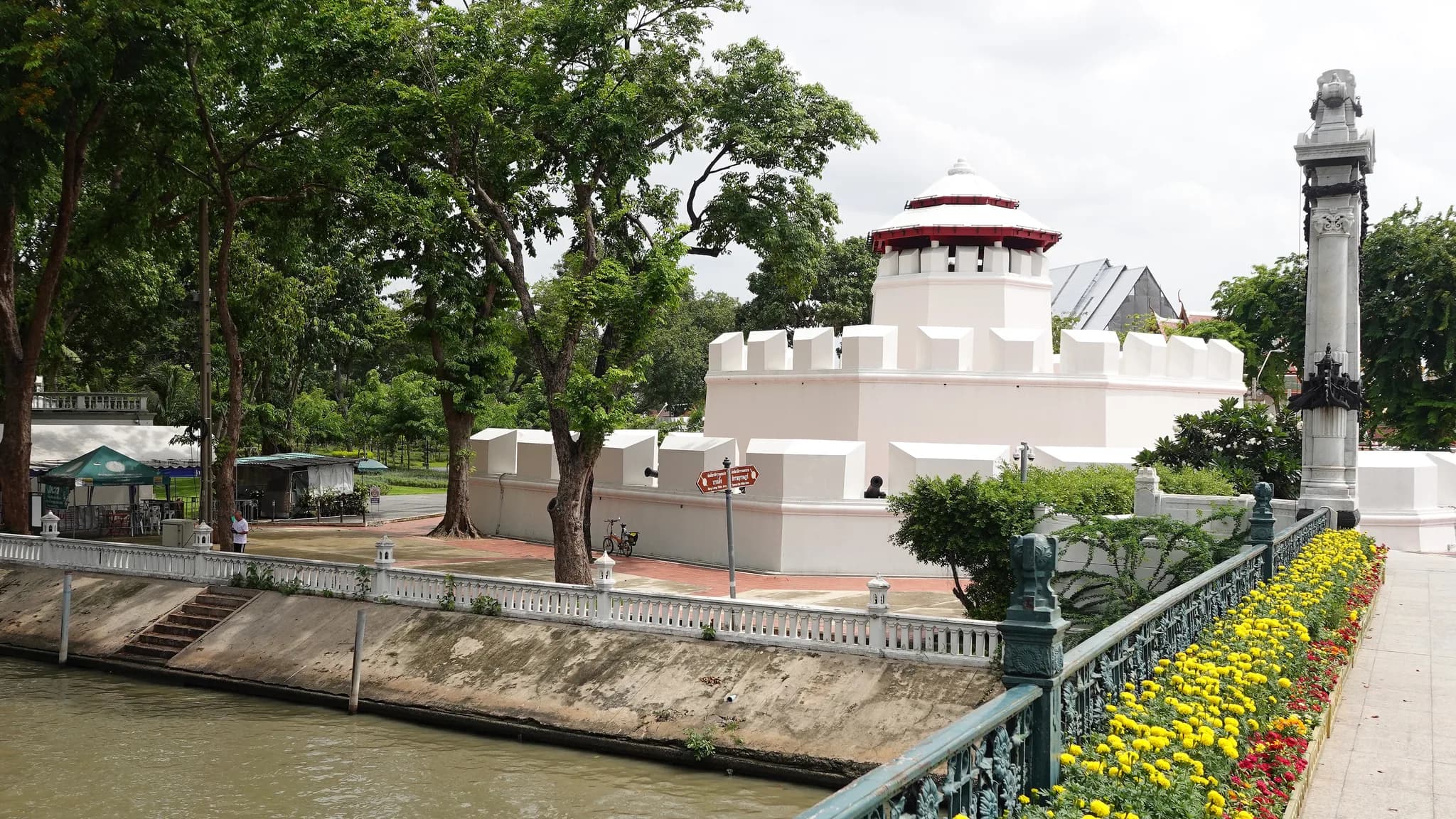
Built in 1783 on the walls of the new capital, Mahakan Fort is one of the last two survivors of Bangkok’s city rampart, and the scene of a long conflict over the community that lived at its foot.
Cities, territories and cultural landscapes
Market & urban centre
Bangkok (Phra Nakhon)
Pak Khlong Talat Flower Market
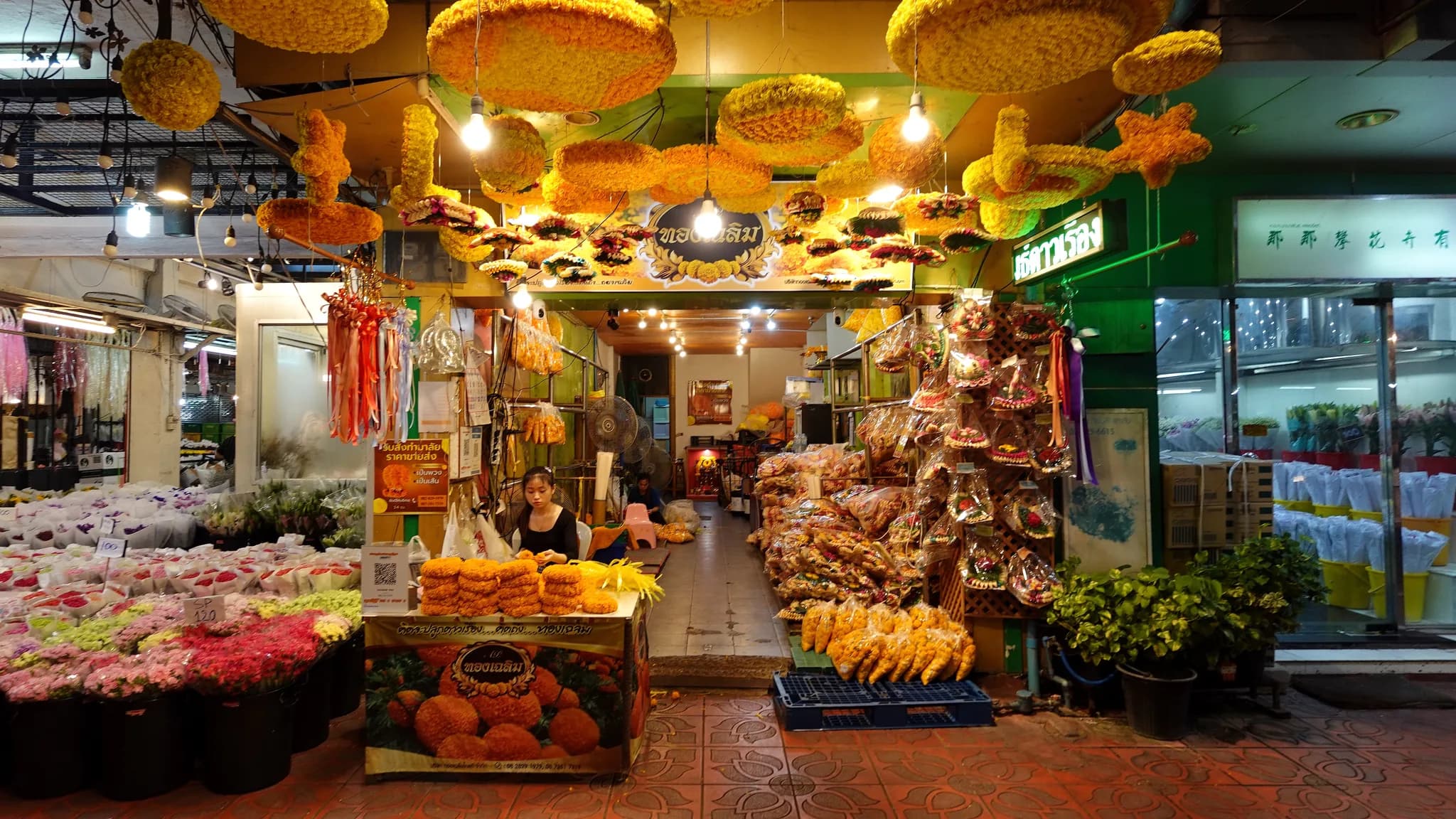
At the mouth of an old Bangkok moat, a fish market that, through successive royal, political and commercial decisions, became the place where the city finds the flowers for its rites.
Cities, territories and cultural landscapes
Market & urban centre
Bangkok (Samphanthawong)
Sampheng Market (Chinatown)
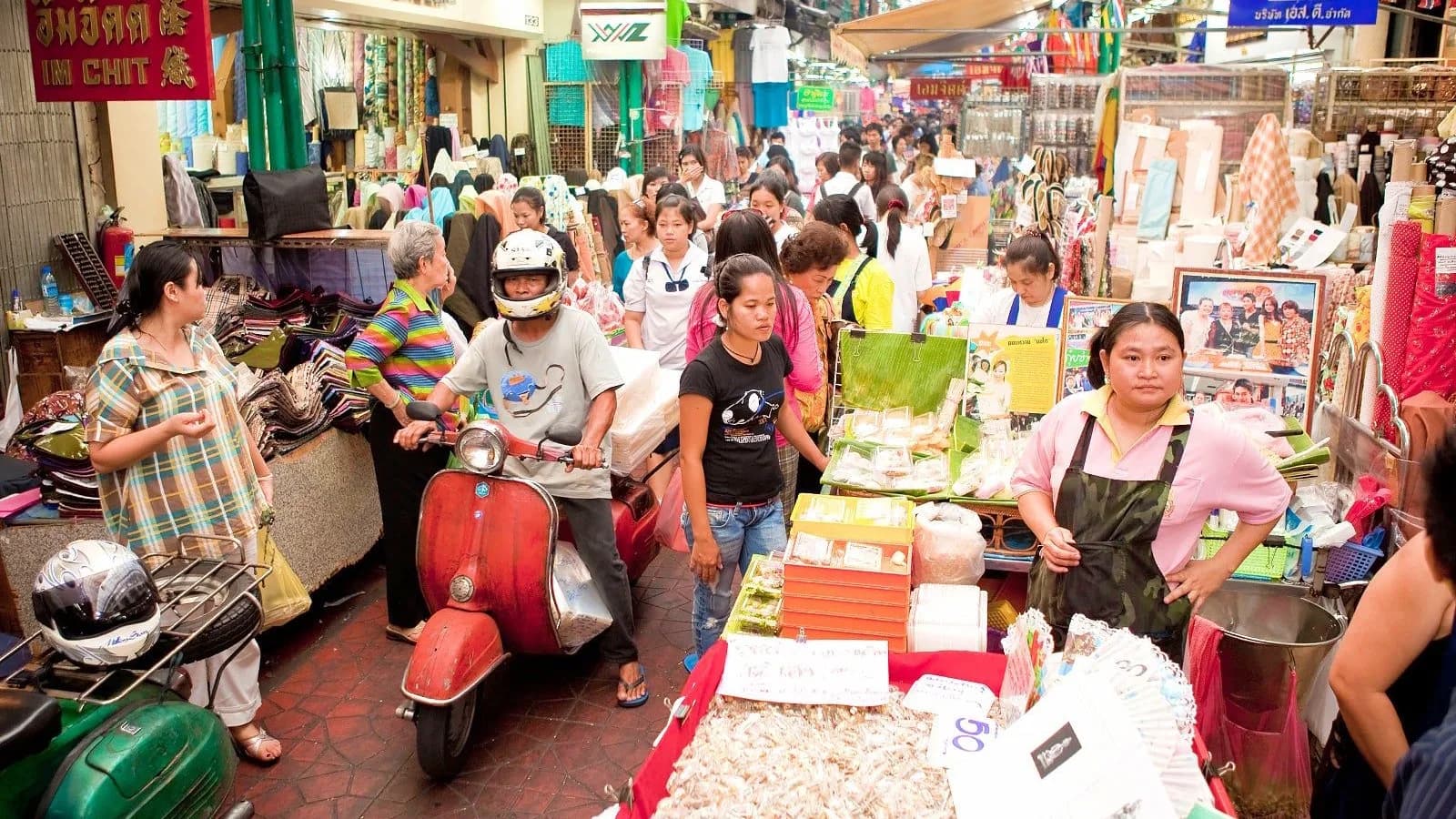
Born of the relocation in 1782 of the Chinese settled on the site of the Grand Palace, a market lane that became the first nucleus of the Chinese quarter, still active as a wholesale market.
Architecture and built heritage
Palace & royal residence
Bangkok (Dusit)
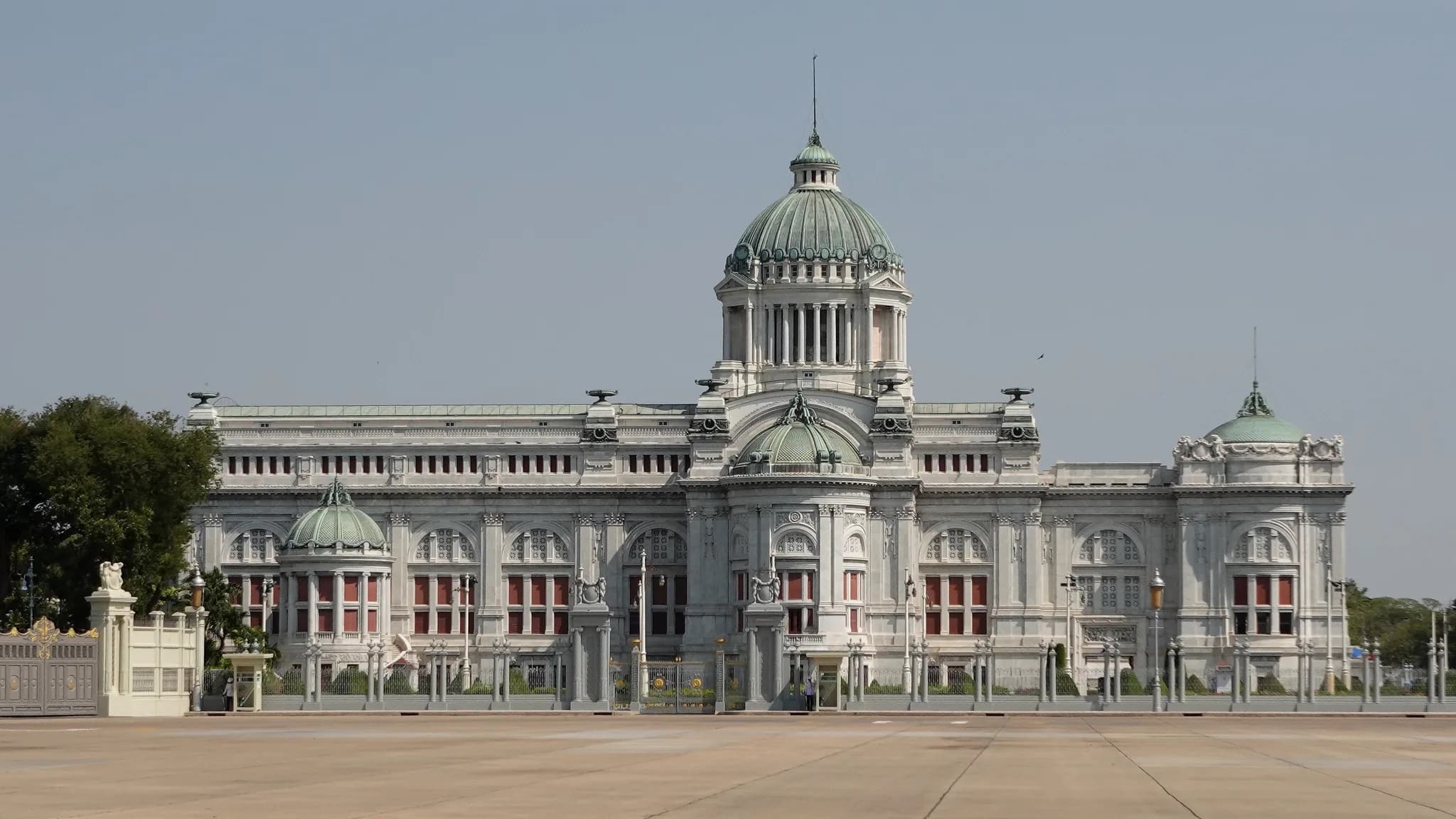
Ananta Samakhom Throne Hall
Commissioned by Chulalongkorn, built by Italians and completed under his son, the throne hall of Dusit Palace witnessed the birth of Siam’s constitutional regime before housing Parliament, and later a museum.
Architecture and built heritage
Fortification & defensive work
Bangkok (Phra Nakhon)
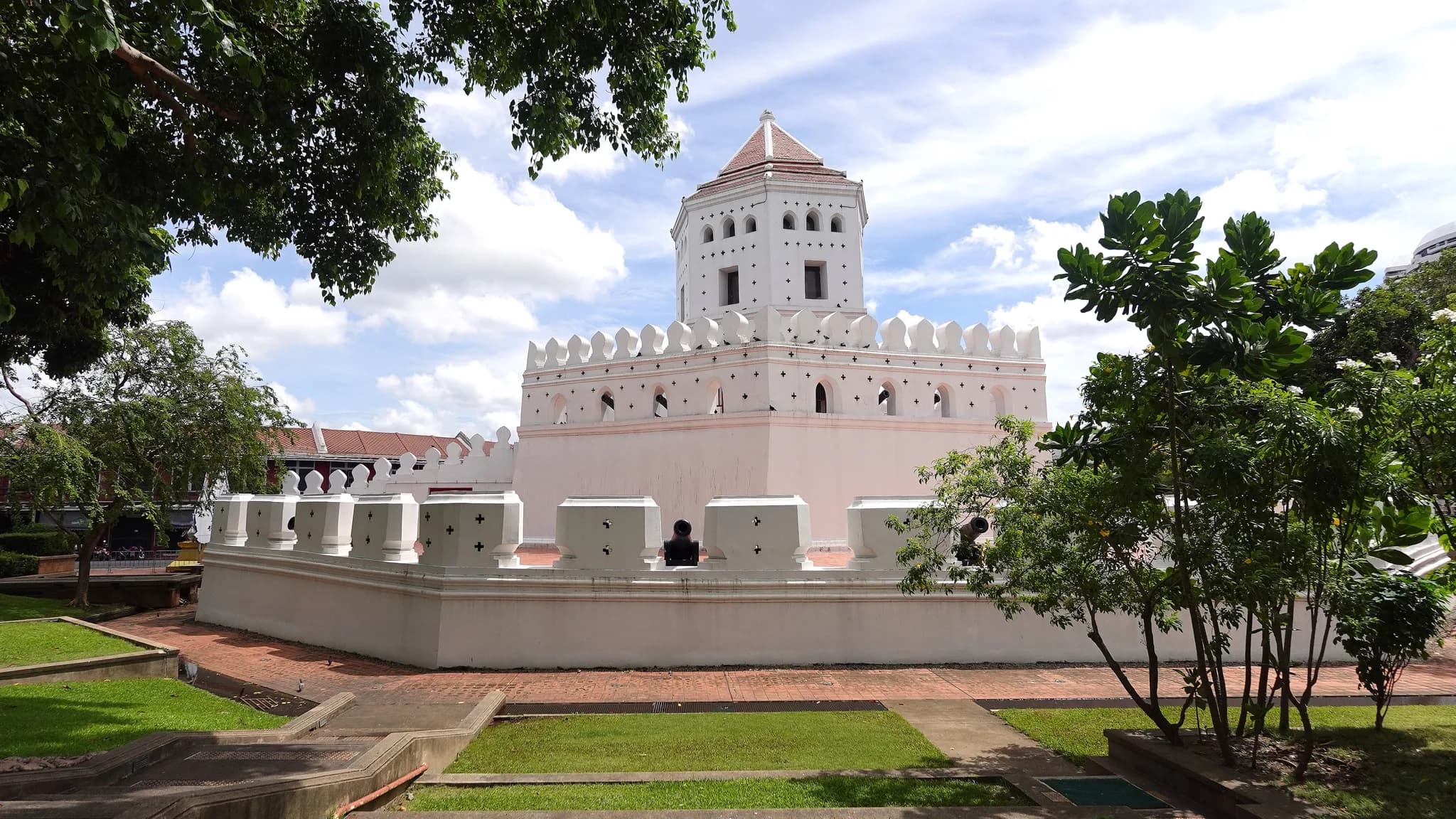
Phra Sumen Fort
Built in 1783 in the north of Rama I’s capital, dismantled and later raised again on its original foundations, Phra Sumen Fort is one of only two surviving witnesses to Bangkok’s fortified city wall.
Crafts, materials and know-how
Museum
Ayutthaya (Bang Pa-in)
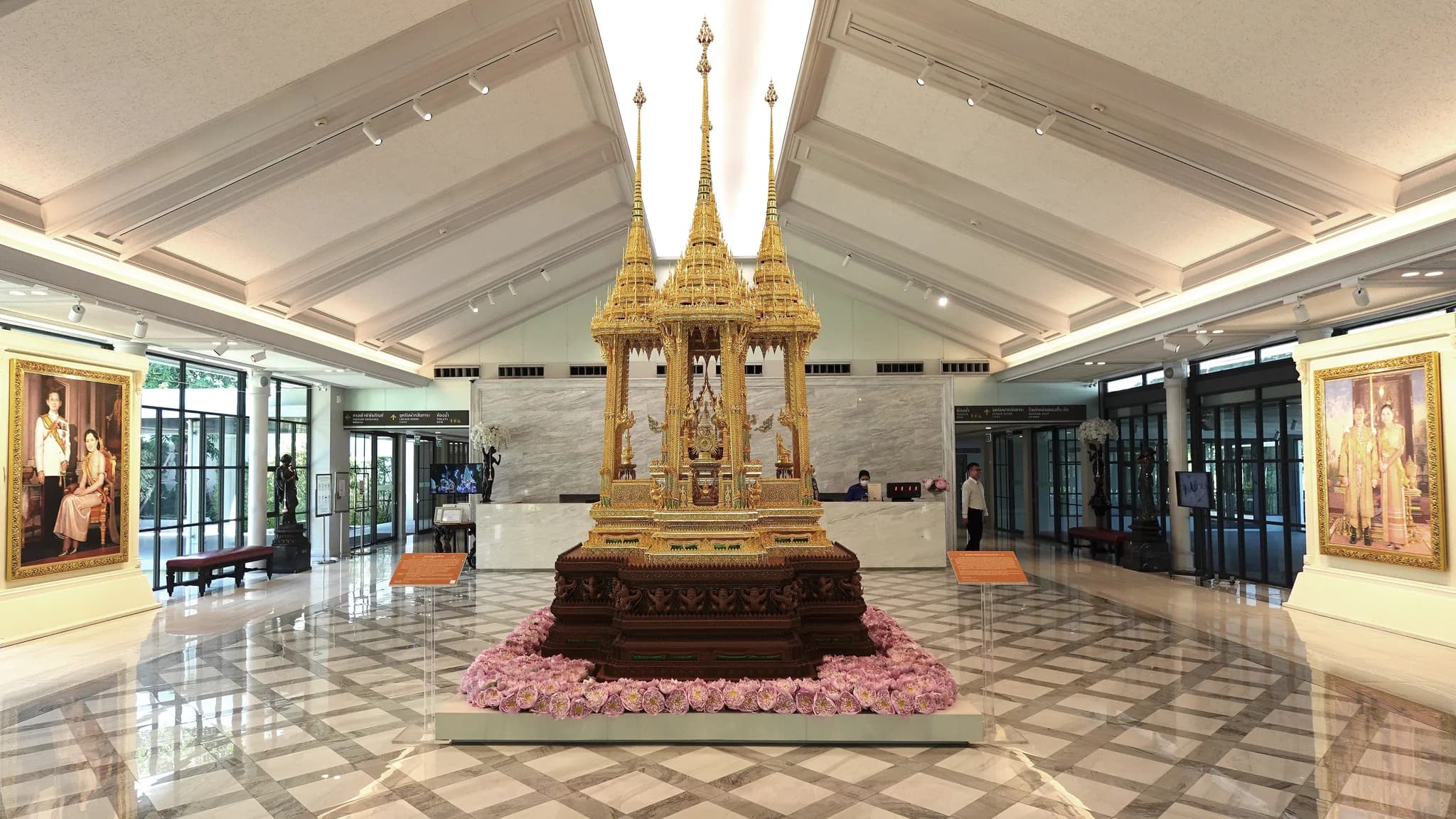
Arts of the Kingdom Museum
At Koh Kerd, near Ayutthaya, a museum conceived by Queen Sirikit displays the masterpieces of artisans who came from the countryside and were trained in the skills of the court.
Peoples, communities and cultural diversity
Community place
Sakon Nakhon (Mueang Sakon Nakhon)
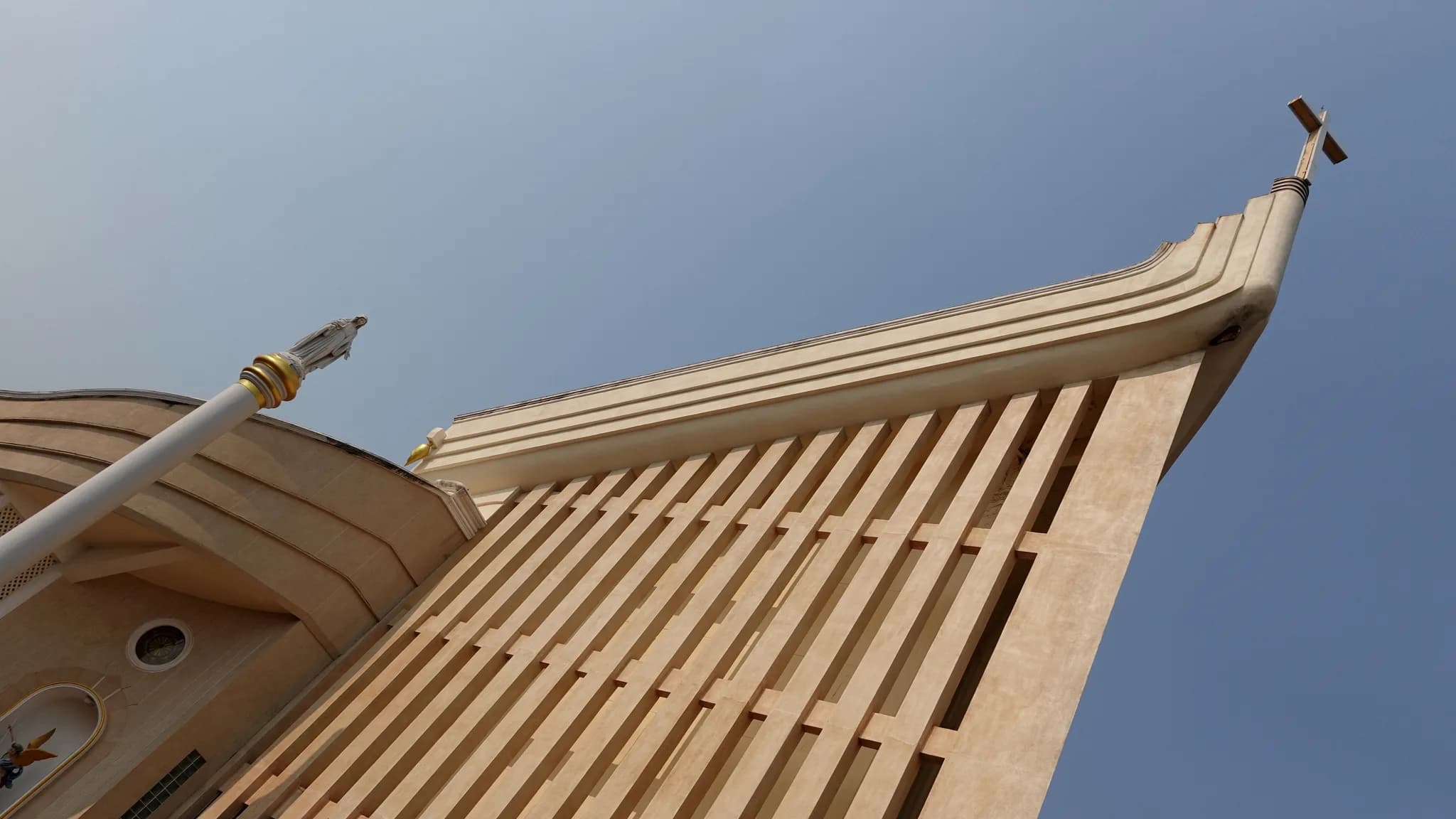
Tha Rae Catholic Village
Founded in 1884 by families from the far shore of Nong Han Lake, Tha Rae has become the seat of an archdiocese and the largest Catholic community in Thailand, renowned for its Christmas star procession.
People and nature
Buddhist temple
Samut Prakan (Phra Pradaeng)
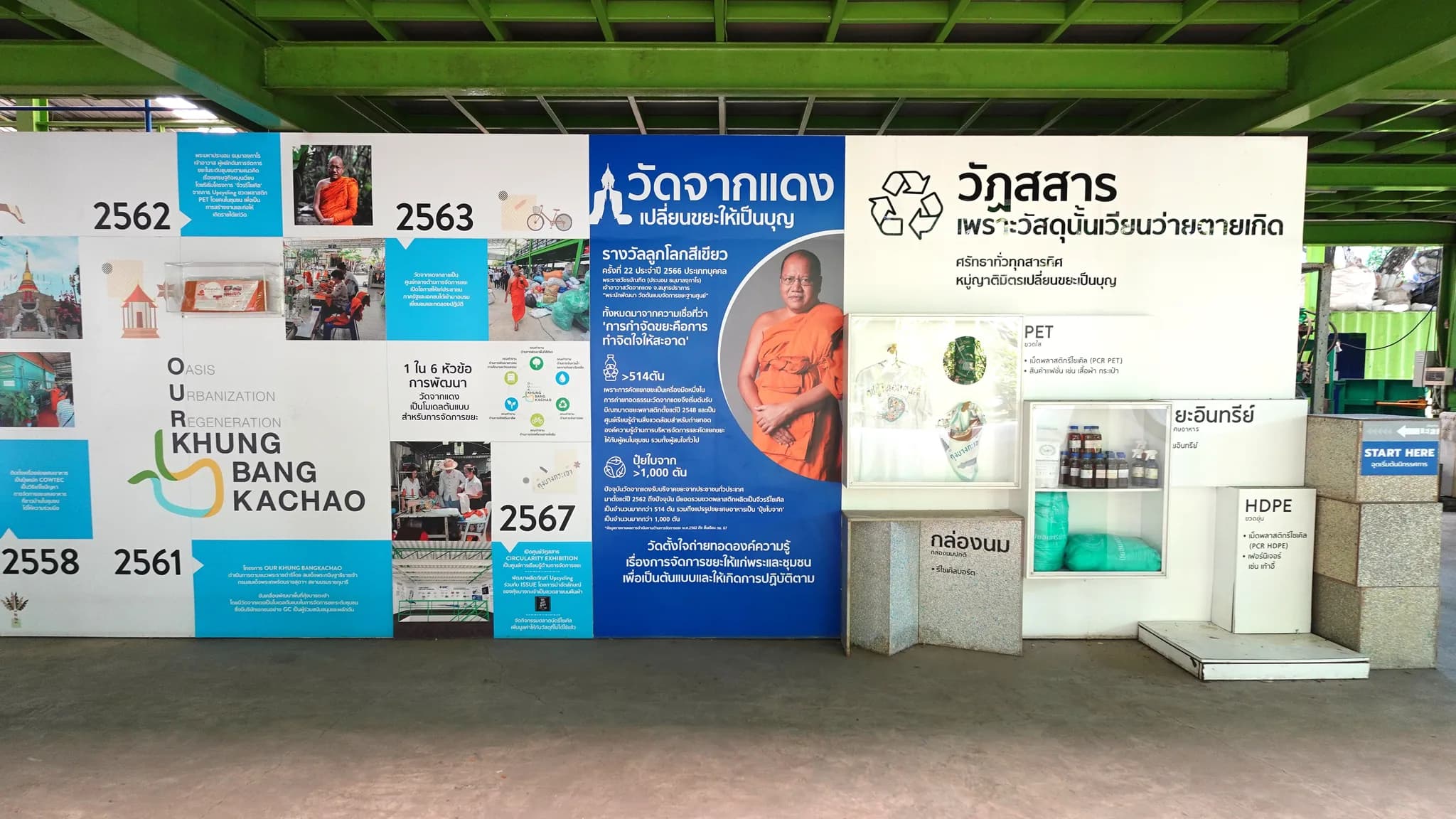
Wat Chak Daeng Temple Plastic Recycling Center
In a common temple on the bend of the Chao Phraya, a monk has made plastic waste into a subject for teaching, and the bottles donated by the faithful into the thread of monastic robes.
Cities, territories and cultural landscapes
Neighbourhood & district
Bangkok (Samphanthawong)
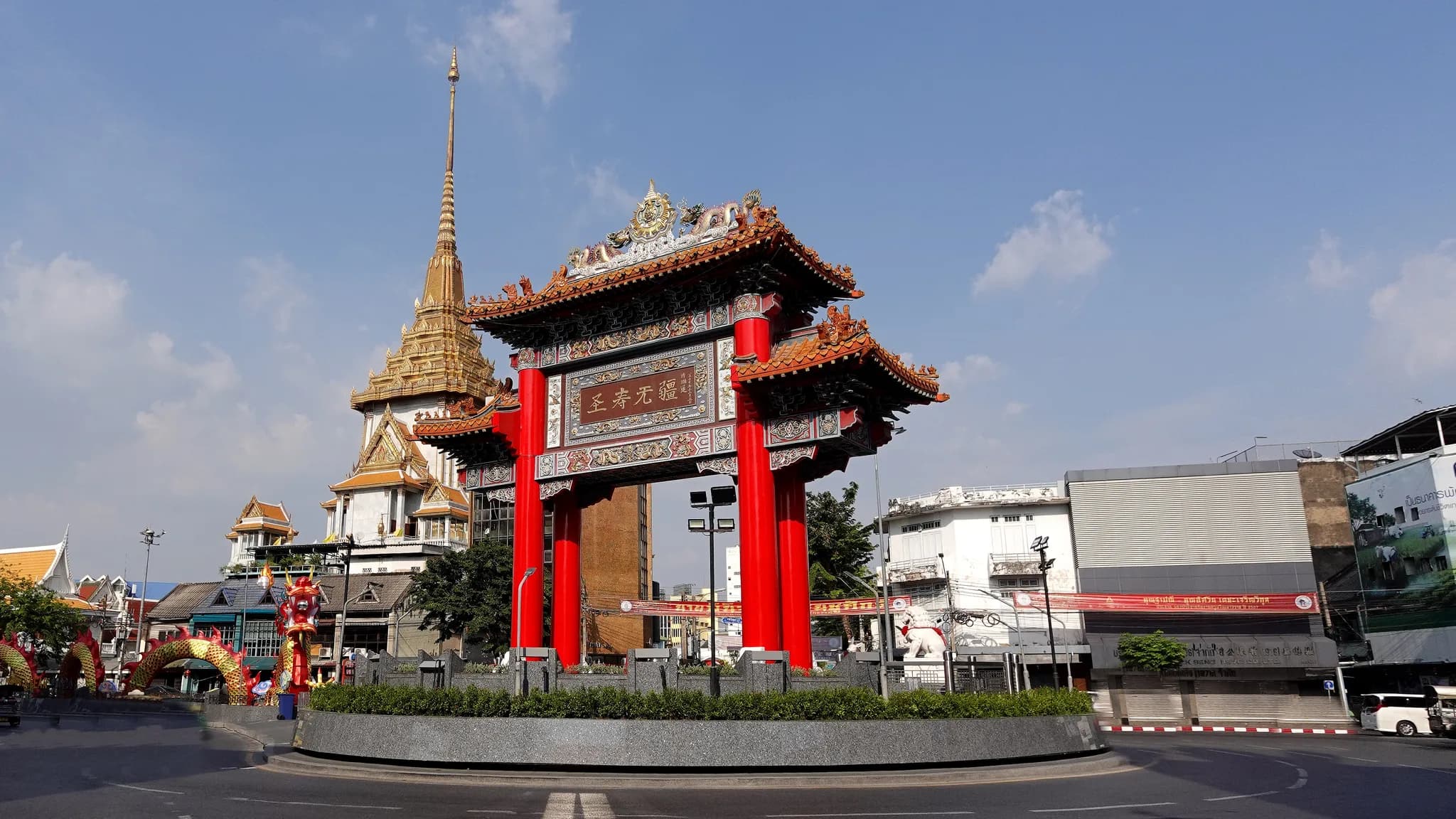
Samphanthawong District
From the relocation of the Teochew merchants in 1782 to the gold shops of Yaowarat Road, Bangkok’s Chinatown follows the history of the capital step by step.
Gastronomy and food cultures
Dining & street food
Bangkok (Samphanthawong)
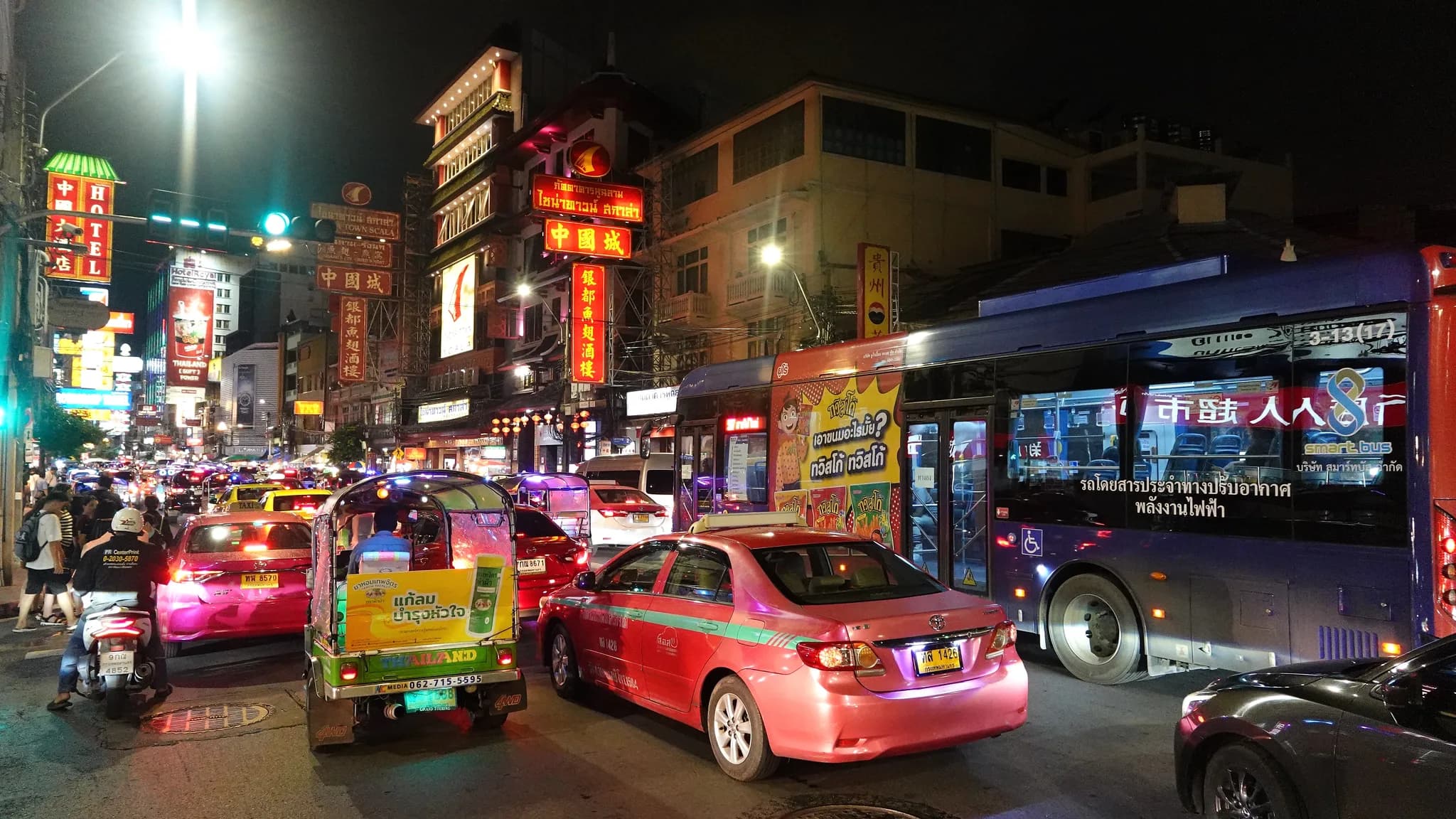
Chinatown Night Market
On Yaowarat Road, the main artery of Bangkok’s Chinese quarter, evening street food carries forward the history of a merchant district and endures only under the city’s supervision.
Heritage in transition
Rehabilitation & adaptive reuse
Bangkok (Bang Kho Laem)
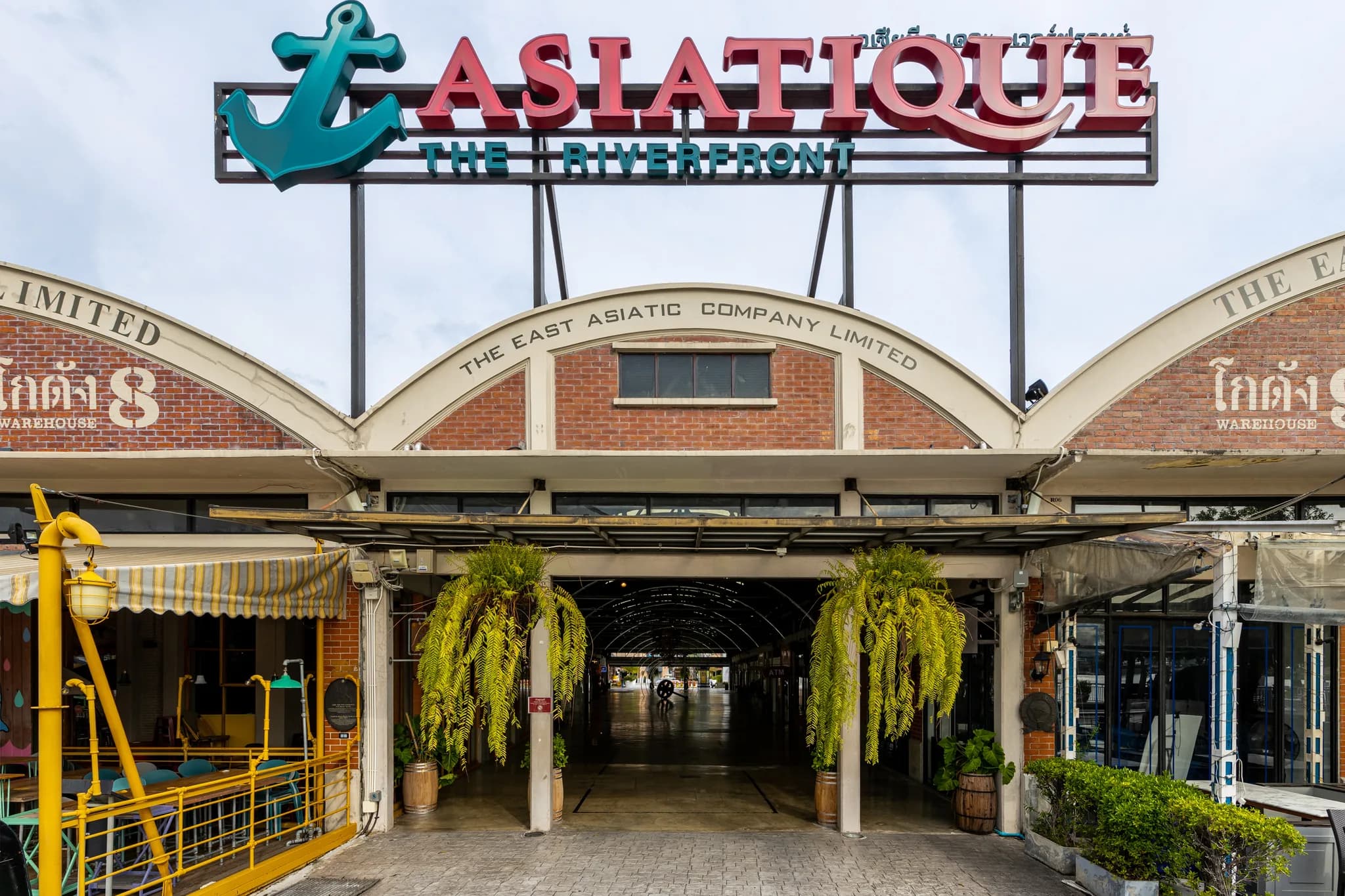
Asiatique The Riverfront
On the bank of the Chao Phraya in Bangkok, former warehouses of the East Asiatic Company, built on the grounds of a vanished monastery, have become a leisure complex that turns their history into a selling point.
Architecture and built heritage
Palace & royal residence
Bangkok (Phra Nakhon)
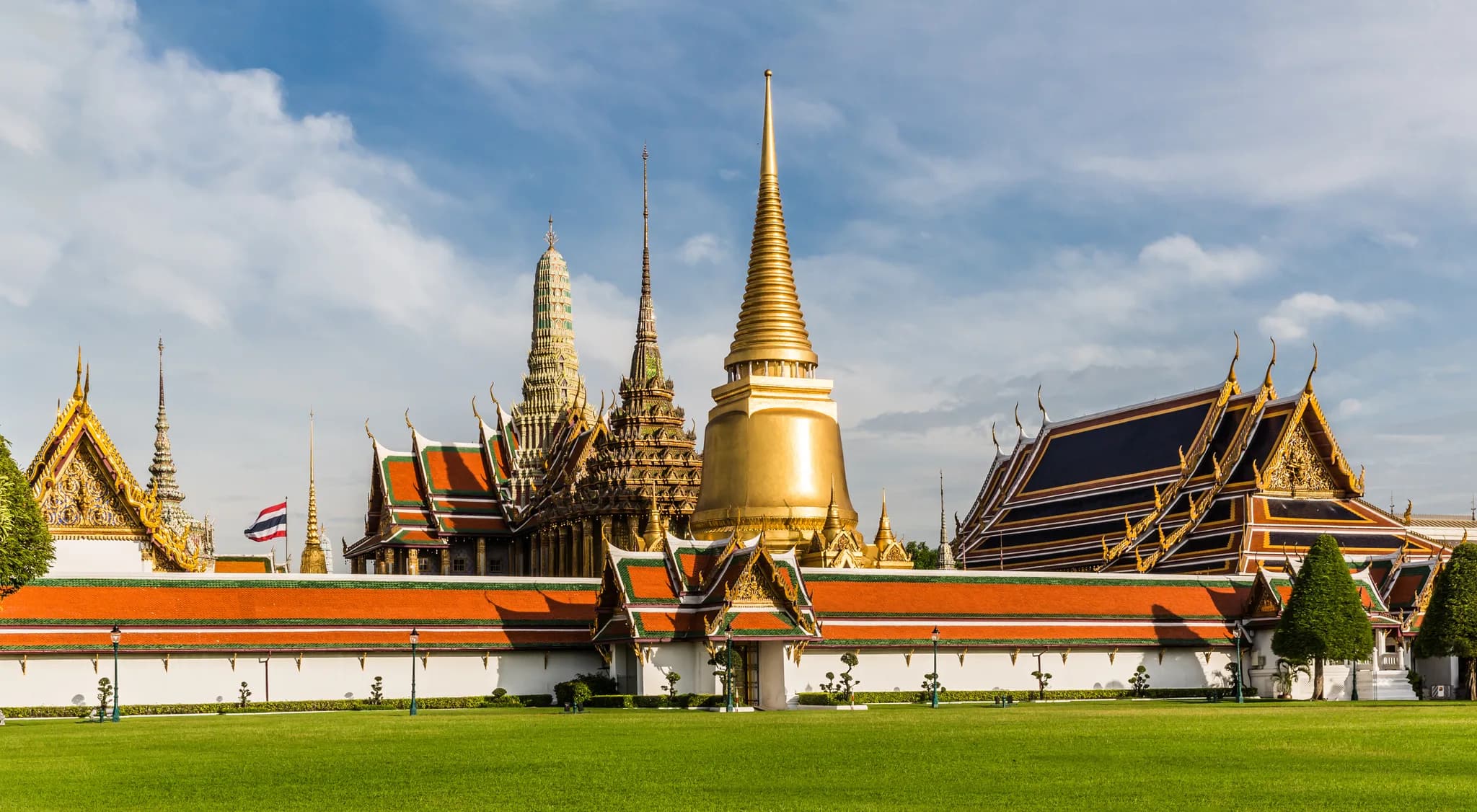
The Grand Palace of Bangkok
The Grand Palace of Bangkok, founded in 1782 on the banks of the Chao Phraya, was the seat of Siamese power for a century and a half; it remains the setting for the great rites of the monarchy.
Buddhism, religions and spiritualities
Buddhist temple
Bangkok (Pom Prap Sattru Phai)
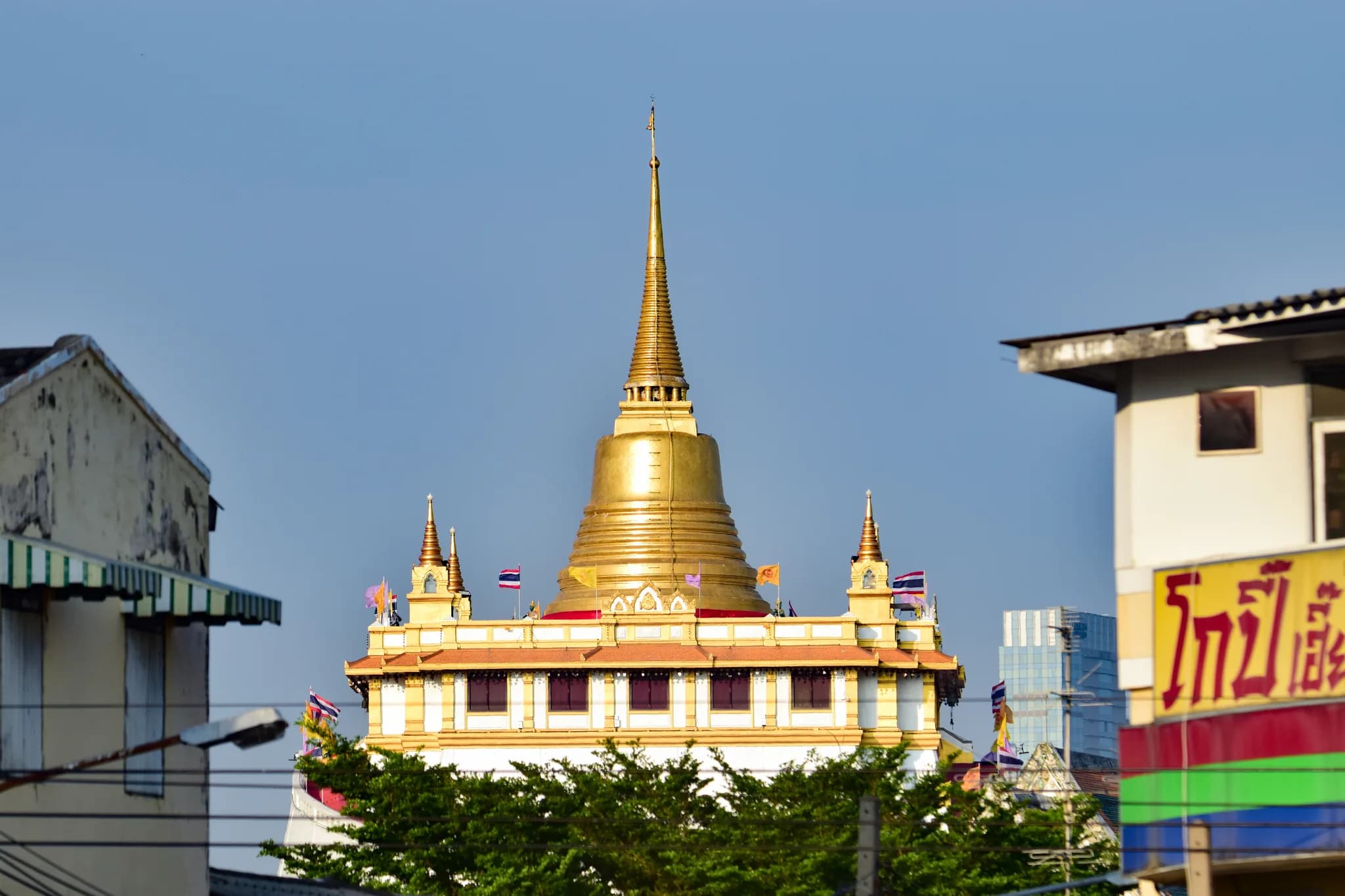
Wat Saket (Golden Mount Temple)
From monastery of epidemics to hill of relics, Wat Saket (Golden Mount Temple) tells how a failed building project became one of the symbols of Bangkok.
Cities, territories and cultural landscapes
Neighbourhood & district
Bangkok (Phra Nakhon)
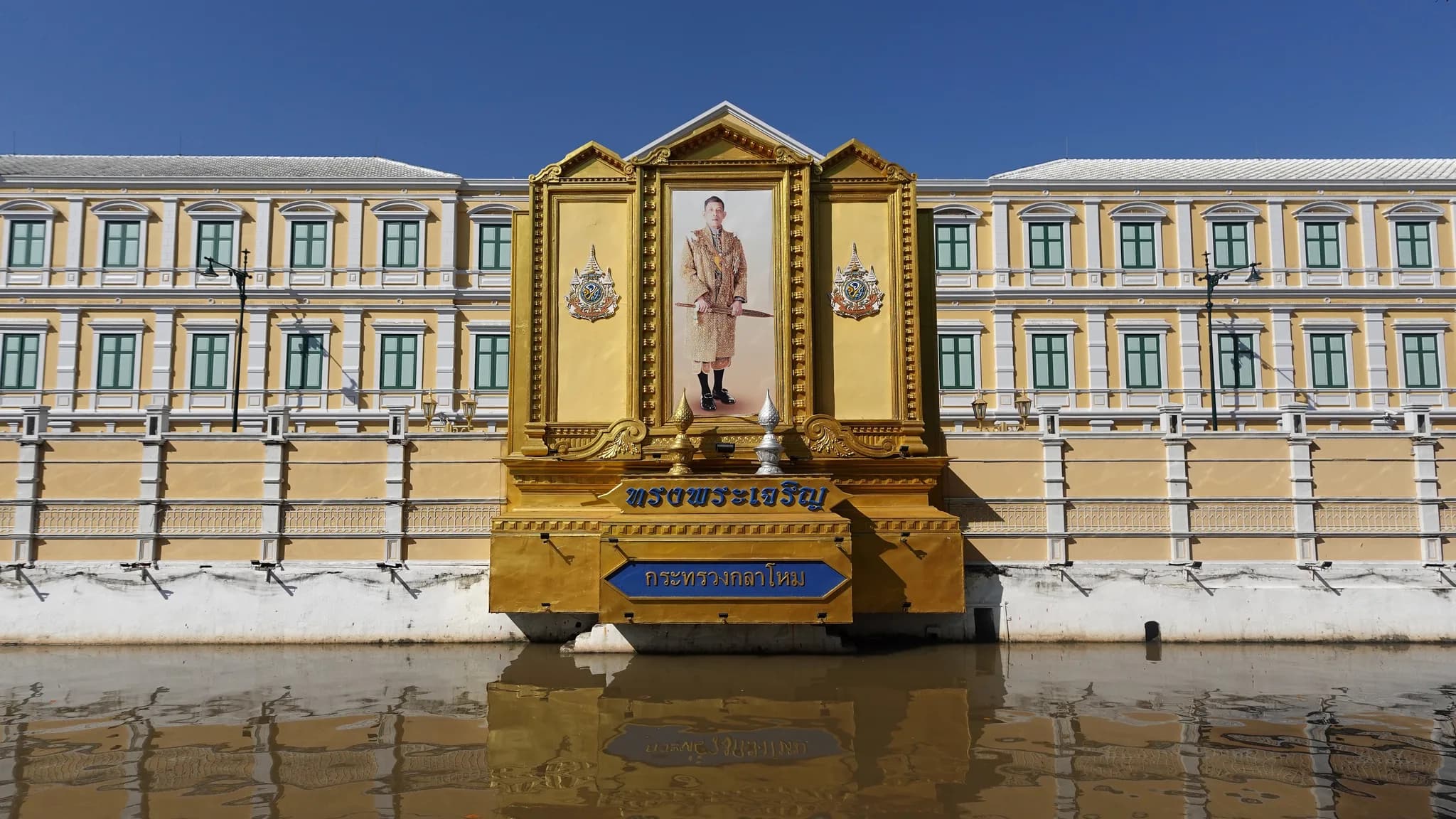
Phra Nakhon District
Bangkok’s central district preserves the layout of the capital founded in 1782 – its palace, its canals and the remains of its ramparts – but also lived-in neighbourhoods whose place in conservation is a matter of debate.
Heritage in transition
Rehabilitation & adaptive reuse
Bangkok (Bang Rak)
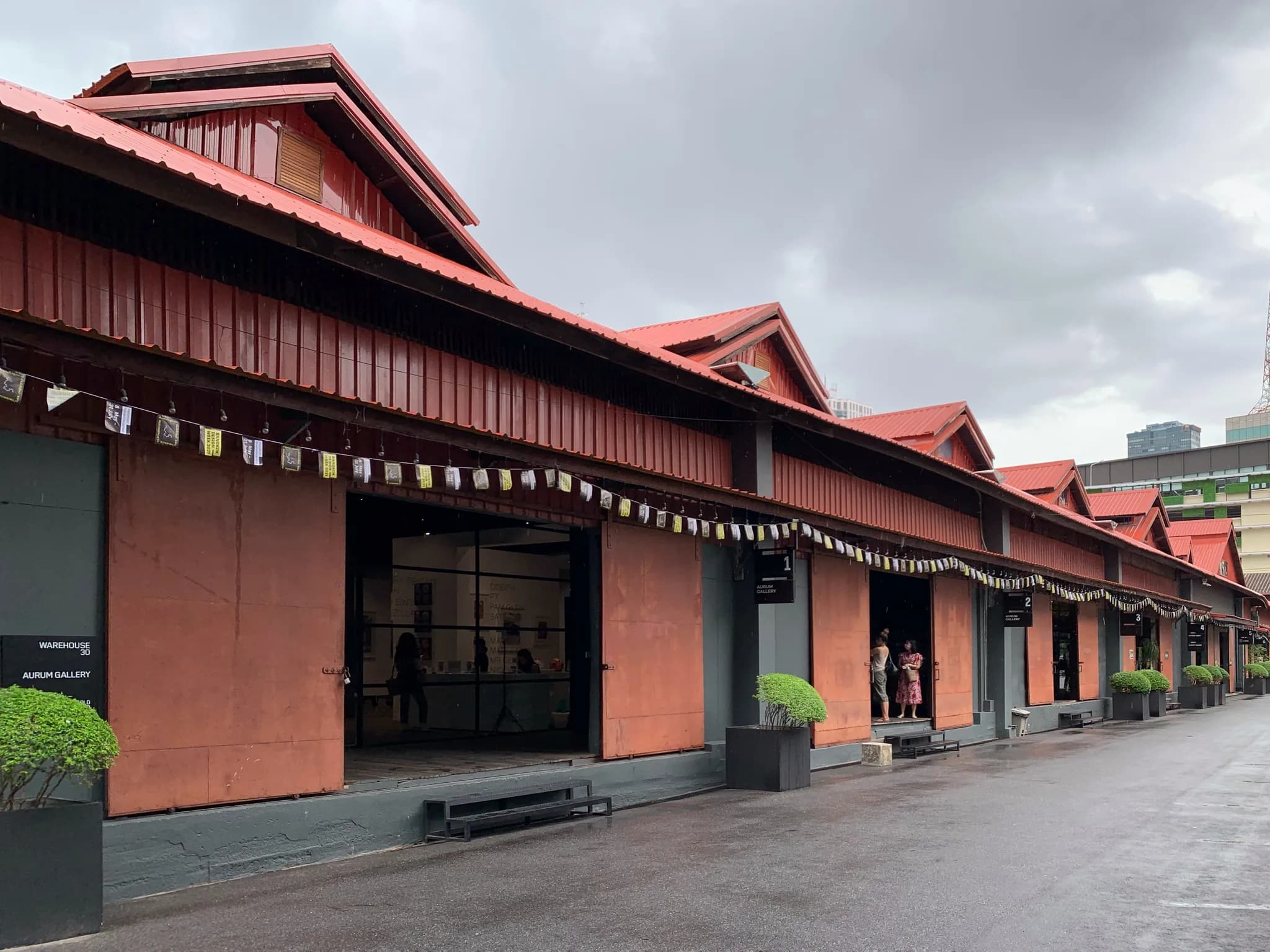
Warehouse 30
In Bang Rak, former warehouses attributed to the era of the Second World War became, in 2017, a cultural and commercial complex, cited as an example of conversion without demolition in Bangkok.
Architecture and built heritage
Civic & institutional building
Bangkok (Bang Rak)
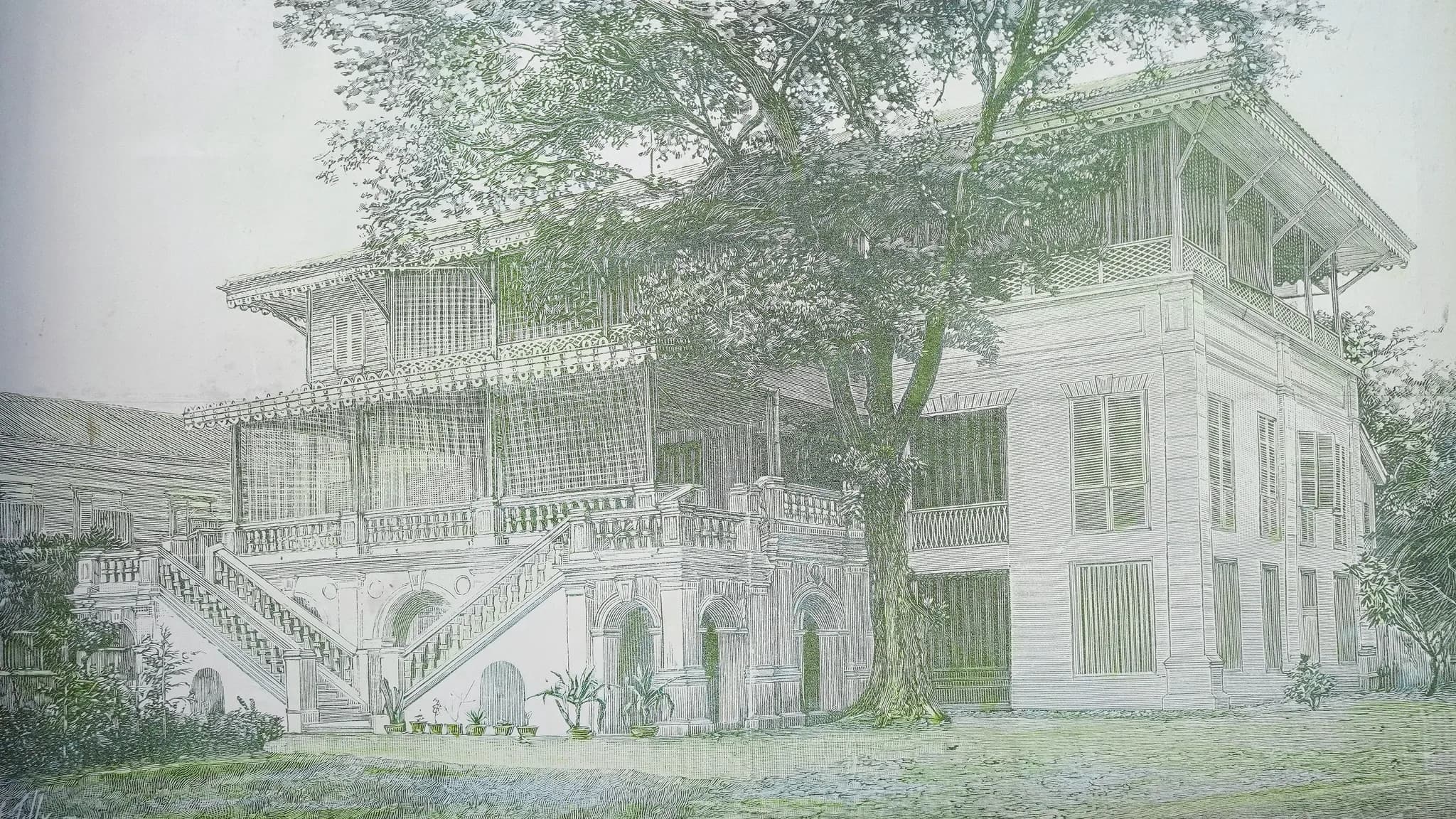
Embassy of France
On the banks of the Chao Phraya, in Bang Rak, a former customs house that became a consulate, then a legation and finally an embassy tells the story of more than a century and a half of relations between France and Siam.
Arts, aesthetics and creation
Cultural & creative centre
Bangkok (Bang Rak)
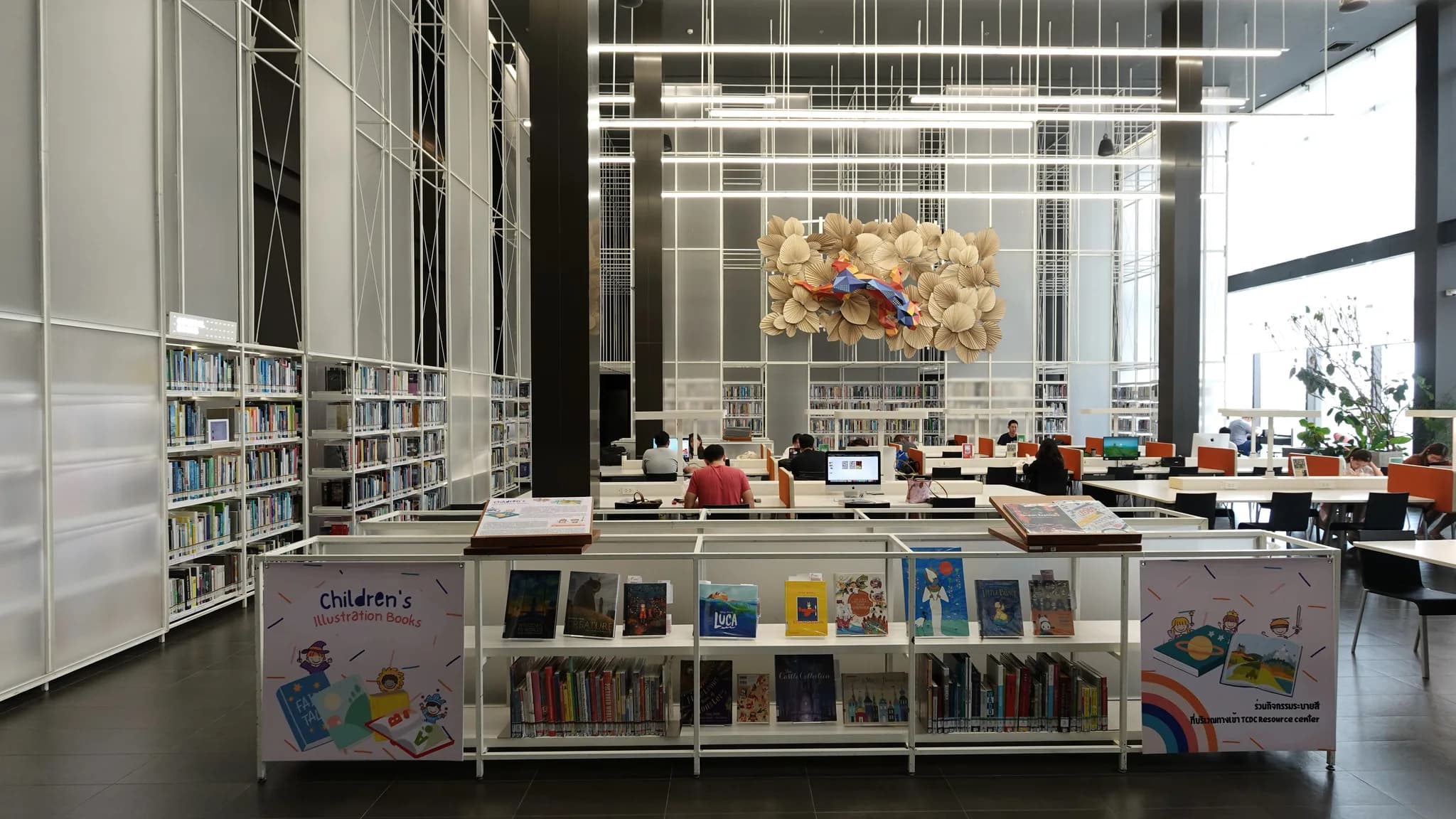
TCDC Bangkok (Thailand Creative & Design Center)
Born of a public policy in support of creativity, Thailand’s design centre found its home in 2017 in the Bang Rak Central Post Office, built under the People’s Party to give the State a modern image.
Heritage in transition
Rehabilitation & adaptive reuse
Bangkok (Samphanthawong)
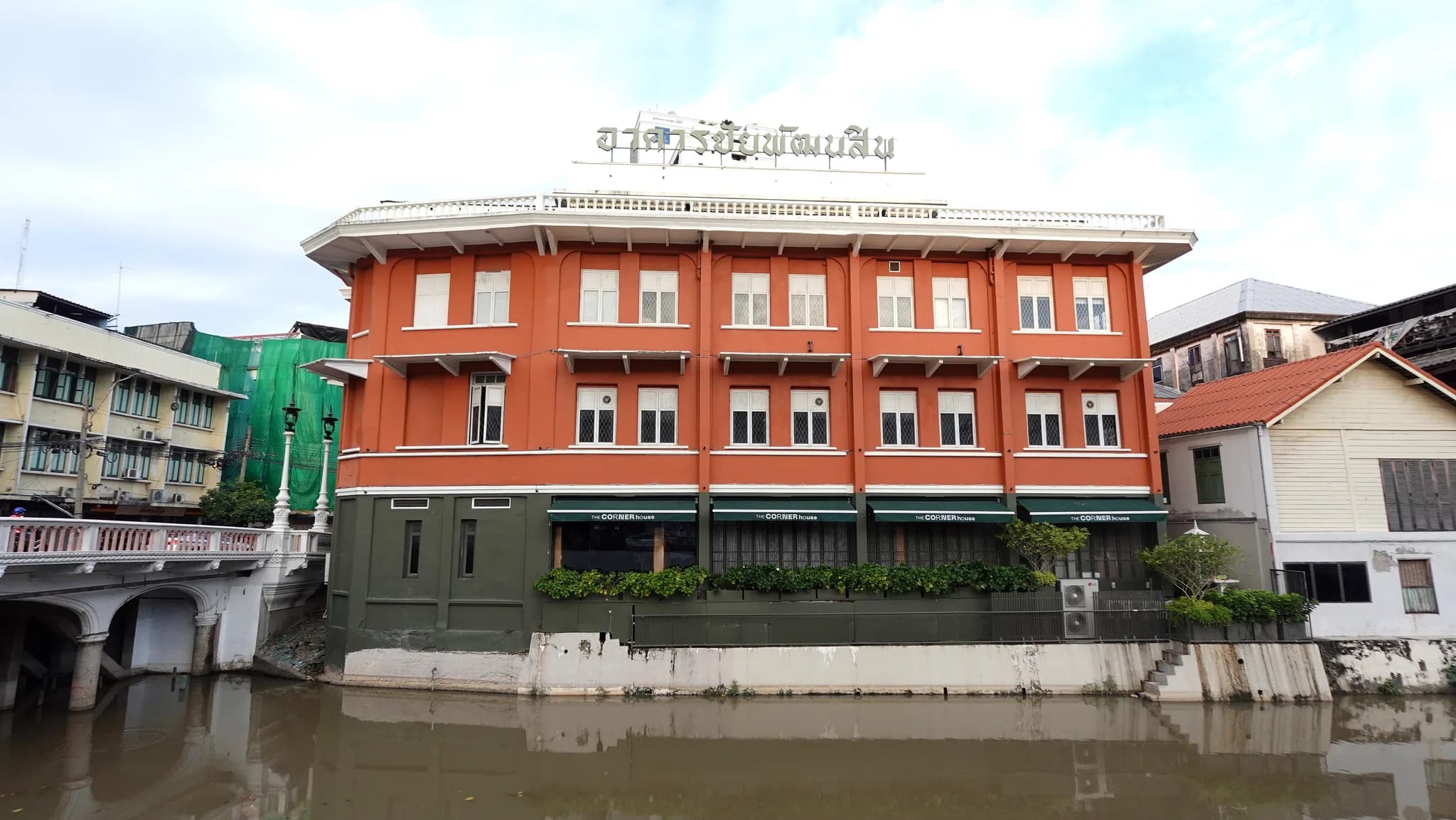
The Corner House Bangkok
At the corner of Charoen Krung Road and the Phadung Krung Kasem Canal, a century-old merchant building has passed from trade to industry, then to shoes and to creative work.
Arts, aesthetics and creation
Public art & street art
Bangkok (Bang Rak)
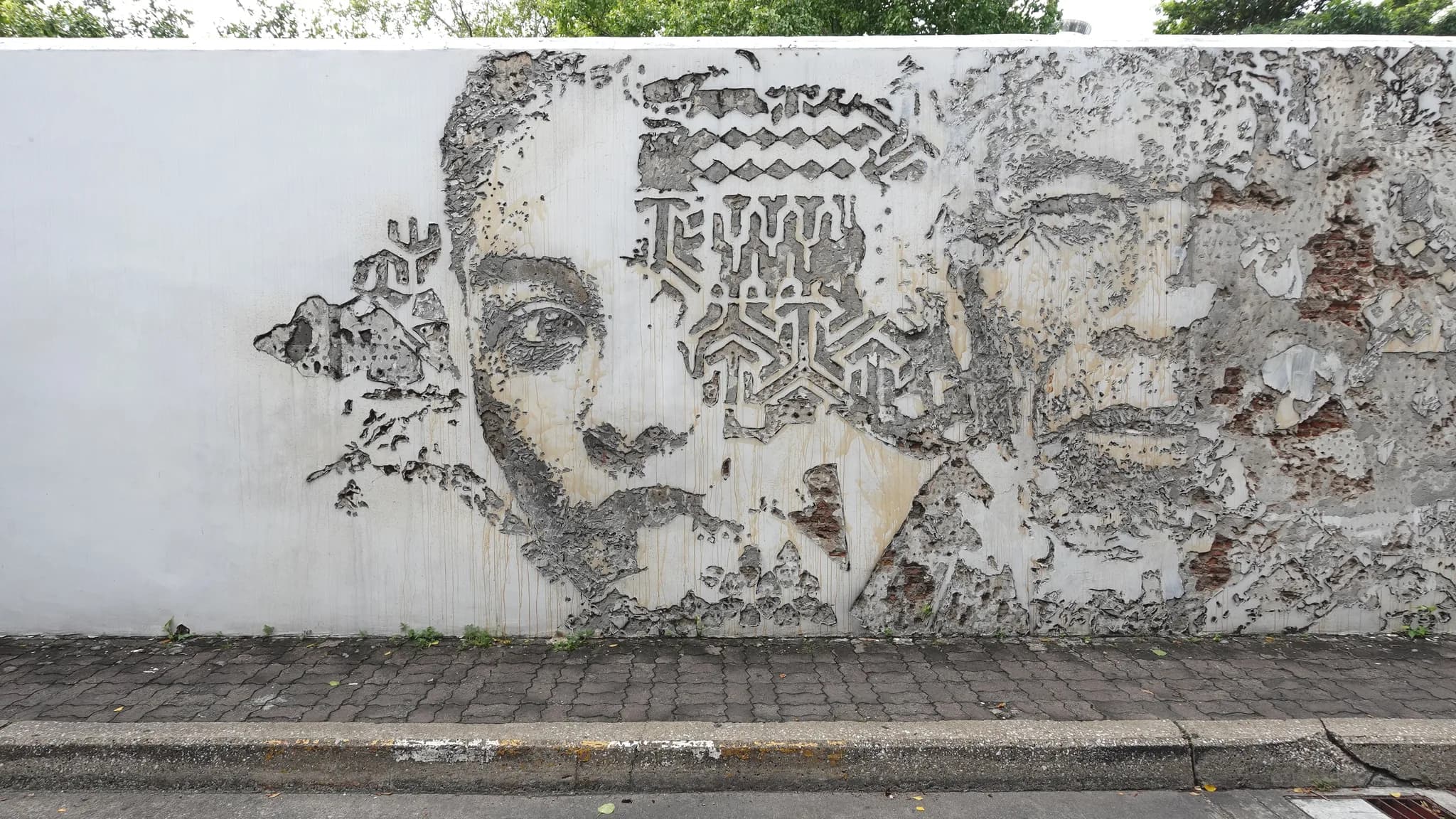
Scratching the Surface by Vhils
In Bangkok, Vhils carved faces and gazes into the wall of the Embassy of Portugal, paying tribute to the ties between the two countries and bringing the history of the site to the surface.
Architecture and built heritage
Palace & royal residence
Bangkok (Phra Nakhon)
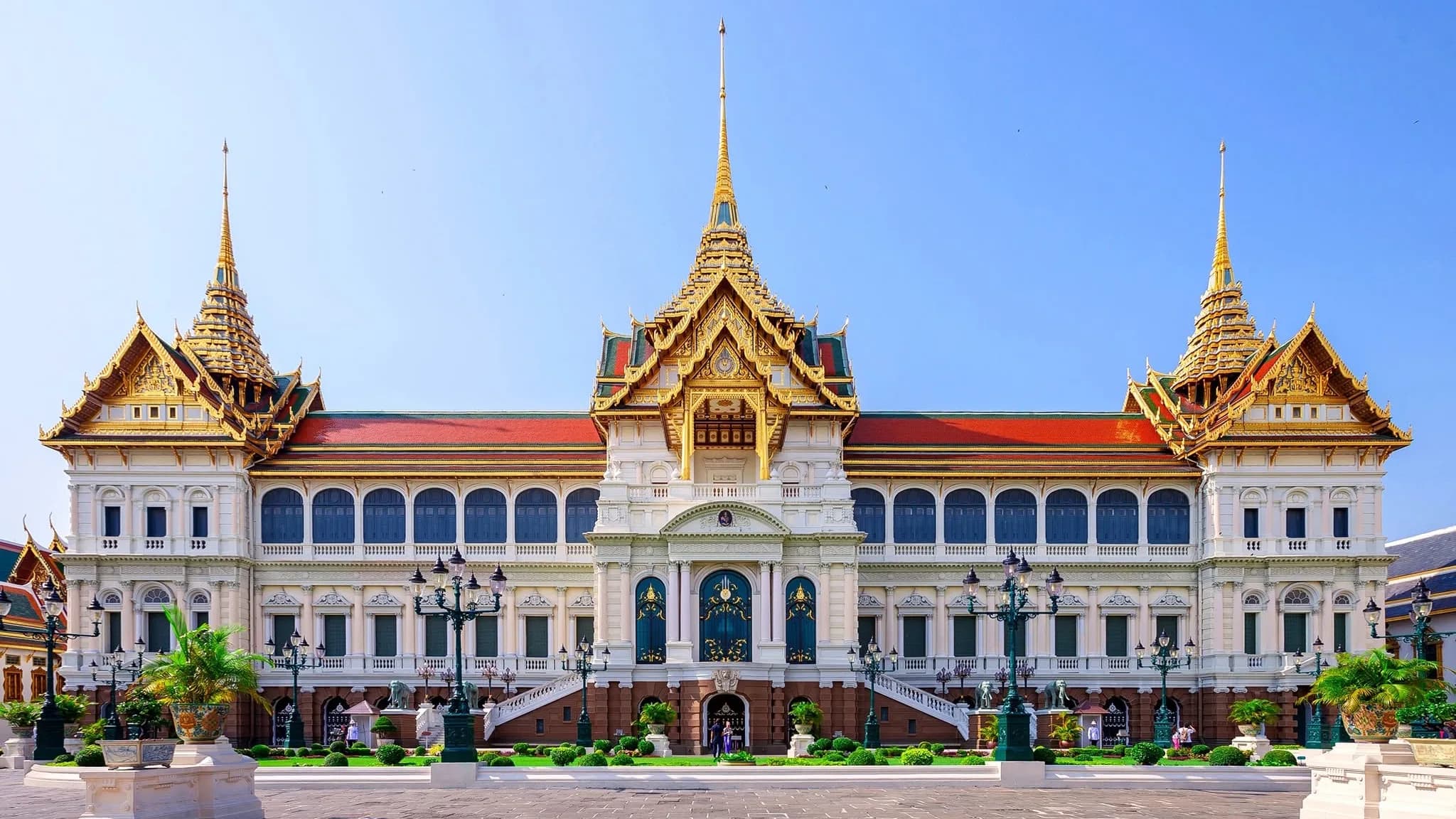
Chakri Maha Prasat Throne Hall
Commissioned by King Chulalongkorn for the centenary of Bangkok, the throne hall that pairs a European façade with three Siamese spires remains, at the heart of the Grand Palace, a place of royal relics and state receptions.
Architecture and built heritage
Palace & royal residence
Bangkok (Phra Nakhon)
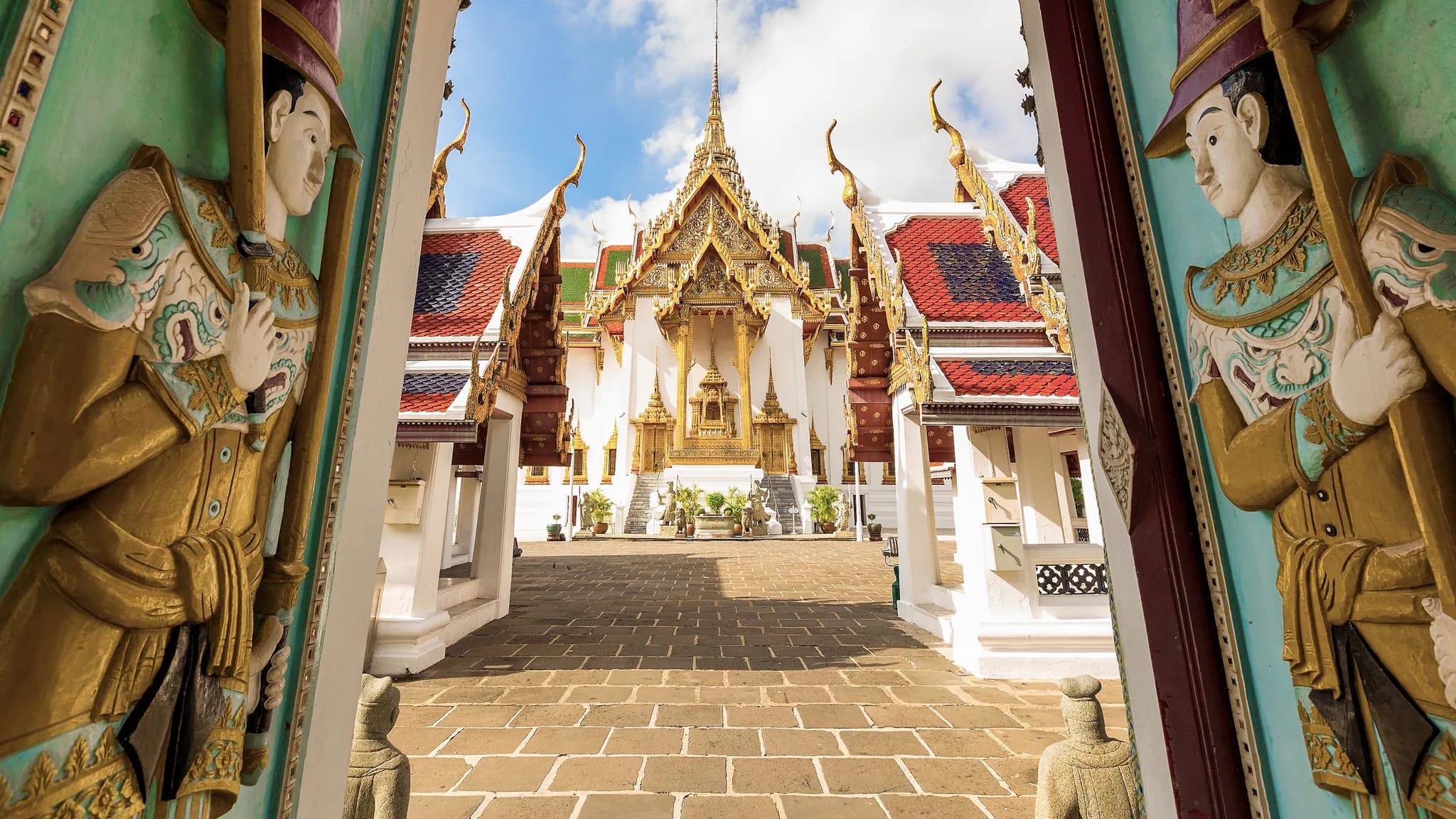
Dusit Maha Prasat Throne Hall
Built in the late eighteenth century on the site of Bangkok’s first throne hall, the Dusit Maha Prasat Throne Hall has passed from a place of audience to the place where the kings and queens of the Chakri dynasty lie before their cremation.